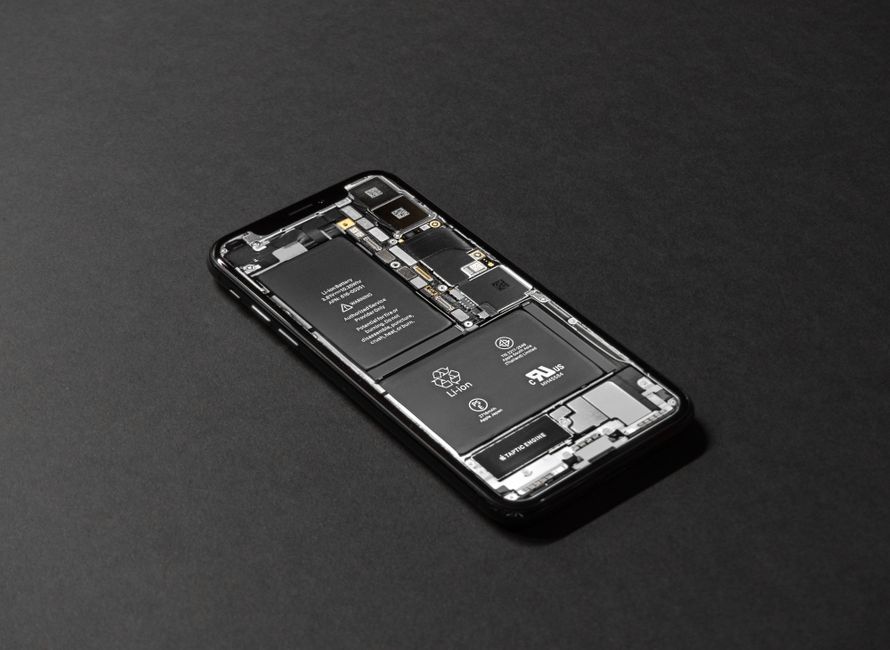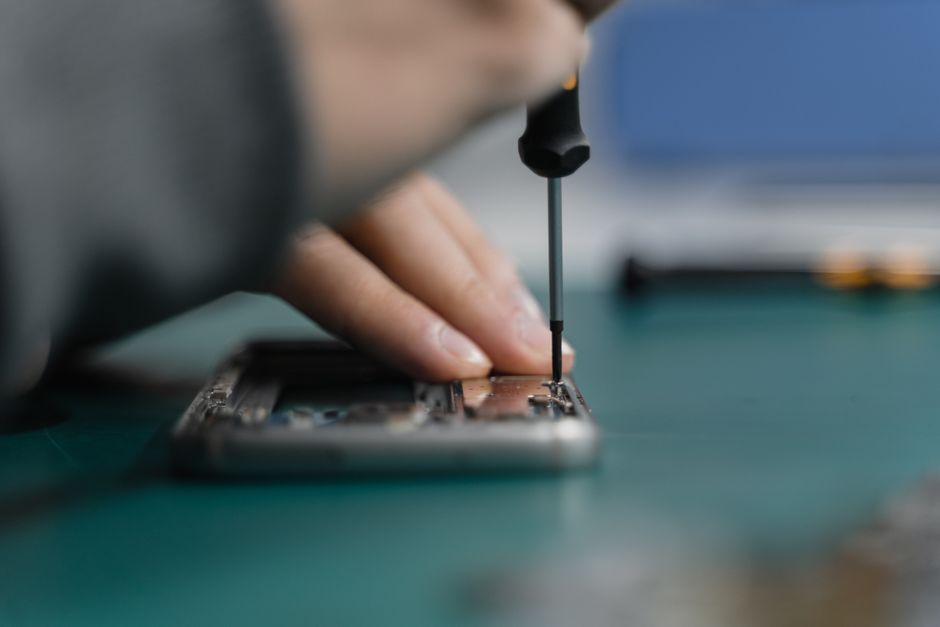

Cracked screens turn everyday devices into ticking time bombs for both function and safety. Think about this. About 50 percent of smartphone users experience screen damage in the first two years of ownership. Most people overlook a tiny crack, brushing it off as just a cosmetic annoyance. That crack could actually threaten your data, your safety, and the whole lifespan of your phone in ways few realize.
Table of Contents
- Defining A Cracked Screen: What It Is And Why It Happens
- Understanding The Importance Of A Cracked Screen
- How Cracked Screens Affect Device Functionality
- Exploring The Types Of Cracks And Their Implications
- Real-World Solutions For Managing Cracked Screens
Quick Summary
| Takeaway | Explanation |
|---|---|
| Recognize types of screen cracks. | Identifying specific crack types helps gauge damage severity and informs repair options effectively. |
| Prompt repairs prevent further damage. | Addressing cracks quickly can avoid functional issues and additional electronic failures, maximizing device lifespan. |
| Consider professional repairs for significant damage. | Professional services can restore devices to original functionality, ensuring comprehensive repair beyond basic fixes. |
| Implement protective accessories to minimize risks. | Using quality screen protectors can significantly reduce the likelihood of cracks from impacts and falls. |
| Understand financial implications of screen damage. | Cracked screens may lower resale value and lead to further internal damage, making timely repairs financially prudent. |
Defining a Cracked Screen: What It Is and Why It Happens
A cracked screen represents physical damage to the display surface of electronic devices like smartphones, tablets, and laptops where the protective glass layer develops visible fractures or breaks. These damages range from microscopic hairline cracks to extensive shattering that compromises the entire screen’s structural integrity. Understanding what constitutes a cracked screen helps device owners recognize potential risks and necessary repair strategies.
The Anatomy of Screen Damage
Screen cracks typically occur through several distinct mechanisms. Impact damage represents the most common cause, resulting from dropping devices onto hard surfaces or experiencing sudden physical trauma. When a device strikes a floor, concrete, or other rigid surface, the concentrated force transmits directly through the screen, creating stress points that ultimately lead to fracturing.
The glass used in modern electronic device screens is typically tempered or strengthened, but it remains fundamentally brittle. Manufacturers design screens to absorb minimal impacts, but extreme force or repeated minor impacts can progressively weaken the structural composition. Learn more about understanding cracked screen solutions that can help mitigate potential long term damage.
Factors Influencing Screen Vulnerability
Multiple variables contribute to screen crack susceptibility:
- Device design and glass type
- Frequency and intensity of device usage
- Environmental exposure conditions
- Quality of protective accessories
- User handling practices
Research from Consumer Technology Association indicates that approximately 50% of smartphone users experience screen damage within the first two years of device ownership. This statistic underscores the critical importance of understanding screen vulnerability and implementing protective strategies.
Beyond aesthetic concerns, a cracked screen poses significant functional risks. Fractures can disrupt touch sensitivity, expose internal electronic components to moisture and debris, and potentially cause progressive damage if left unaddressed. Recognizing the early signs of screen damage and seeking professional repair becomes crucial in preserving device functionality and preventing more extensive electronic failures.
Understanding the Importance of a Cracked Screen
A cracked screen extends far beyond a mere cosmetic issue, representing a significant risk to device functionality, personal data security, and long term electronic performance. While many users might initially view screen damage as a superficial problem, the implications can be profound and potentially costly if left unaddressed.
Financial and Performance Consequences
Cracked screens can dramatically impact device performance and user experience. Touch sensitivity becomes compromised, with fractures potentially preventing accurate screen responses or creating unpredictable input zones. Moreover, these damages can progressively worsen, transforming a minor crack into extensive screen failure. Understand why fixing cracked screens matters before minor damage escalates into significant electronic complications.
Potential Device Risks
The structural vulnerabilities introduced by screen damage extend beyond immediate visual impairments. Critical risks include:
- Increased moisture and dust penetration
- Potential internal component corrosion
- Compromised electronic circuit protection
- Reduced device resale or trade in value
- Progressive internal hardware damage
Research from iFixit Repair Analysis reveals that approximately 70% of smartphone screen damages, if not repaired promptly, lead to additional electronic component failures within six months. This statistic underscores the urgent need for timely screen repair interventions.
Beyond technical concerns, a cracked screen represents a potential safety hazard. Sharp glass edges can cause physical injuries, and exposed electronic components might generate unexpected electrical risks. Professional screen repairs not only restore device functionality but also mitigate these potential safety concerns, ensuring a secure and reliable user experience.
How Cracked Screens Affect Device Functionality
Screen damage transforms electronic devices from precision instruments into compromised systems with multiple potential operational failures. A cracked screen represents more than a visual imperfection, introducing significant functional disruptions that can cascade across multiple device performance parameters. Understanding these intricate ways screen damage impacts overall device functionality becomes crucial for responsible device maintenance.
Touch Response and Input Interference
Touchscreen responsiveness suffers dramatically with screen fractures. Cracks create irregular electrical pathways within the screen’s capacitive layer, generating unpredictable touch recognition. Users might experience phantom touches, unresponsive zones, or completely misaligned input registration. These disruptions can render critical functions like typing, swiping, and navigating almost impossible. Learn how to naturally fix cracked screens before these issues escalate into complete device malfunction.
Electronic Component Exposure and Risks
Cracks compromise the device’s primary protective barrier, exposing sensitive internal electronic components to multiple environmental hazards. The potential risks include:
- Moisture penetration causing short circuits
- Dust and debris accumulation in electronic pathways
- Potential corrosion of internal circuit boards
- Increased electrical interference
- Accelerated battery degradation
Research from National Institute of Standards and Technology indicates that even microscopic screen fractures can create pathways for electrical interference, potentially reducing device lifespan by up to 40%. These findings underscore the critical nature of addressing screen damage promptly.
Beyond technical complications, cracked screens introduce significant user experience barriers. Reduced visibility through fractured glass, potential skin injuries from sharp glass edges, and the psychological stress of using a damaged device all contribute to diminished overall functionality. Professional screen repair becomes not just a technical necessity but a comprehensive solution to restore device performance and user confidence.
Exploring the Types of Cracks and Their Implications
Screen damage manifests through multiple distinct patterns, each representing unique challenges and potential risks to electronic device functionality. Understanding these variations helps users assess the severity of screen damage and make informed decisions about repair strategies. Not all screen cracks are created equal, with some presenting minimal risk while others signal imminent device failure.
Surface Level and Structural Crack Classifications
Hairline cracks represent the most subtle form of screen damage, appearing as microscopic fractures that often remain barely visible to the naked eye. These superficial damages might seem inconsequential but can progressively expand under thermal stress or continued device usage. Learn more about understanding cracked screen solutions to prevent minor damages from escalating into major structural failures.
Comprehensive Crack Type Analysis
Screen damages can be categorized into several distinctive types:
- Spider Web Cracks: Radial fracture patterns spreading from a central impact point
- Linear Cracks: Straight line fractures typically resulting from direct angular impacts
- Shattered Screen: Extensive damage with multiple fragmentation points
- Edge Cracks: Damages concentrated along device screen perimeters
- Internal Fractures: Damages occurring beneath the surface layer
Research from Materials Science and Engineering reveals that different crack types correlate directly with specific impact mechanisms, with each pattern indicating unique stress distribution across electronic display surfaces. These intricate fracture dynamics provide critical insights into potential repair approaches and long term device integrity.
Beyond visual classifications, screen cracks represent complex mechanical failures with profound implications. The type, location, and extent of screen damage determine not just aesthetic concerns but fundamental device performance potential.
Here is a table outlining common types of screen cracks on electronic devices and the unique implications of each type for device function and repair options.
| Crack Type | Description | Implications for Device |
|---|---|---|
| Hairline Cracks | Very fine, often barely visible fractures | May worsen over time; can affect touch response |
| Spider Web Cracks | Radial pattern spreading from a single impact point | Can cause unpredictable touch and visibility loss |
| Linear Cracks | Straight line cracks from direct angular impacts | May disrupt specific screen areas or functions |
| Shattered Screen | Multiple, overlapping cracks with extensive fragmentation | Major usability risk; potential for glass injury |
| Edge Cracks | Cracking along the borders of the screen | Can expand quickly and compromise screen sealing |
| Internal Fractures | Damage beneath the surface layer, not always visible | Can affect display performance and color quality |
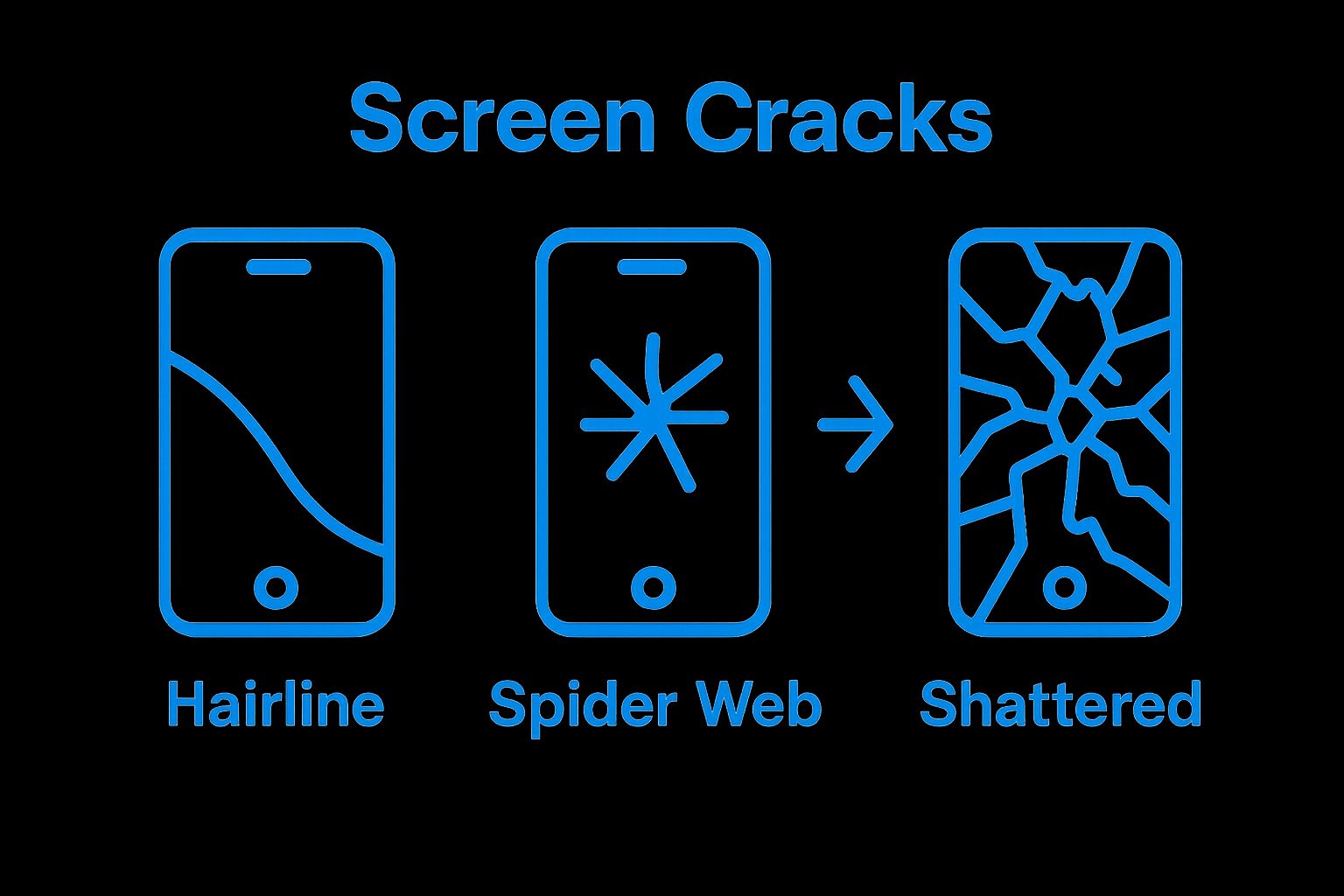 Professional assessment becomes crucial in distinguishing between repairable surface damages and comprehensive structural failures that might necessitate complete device replacement.
Real-World Solutions for Managing Cracked Screens
Addressing screen damage requires a strategic approach that balances cost effectiveness, device functionality, and long term performance. Users confronting cracked screens have multiple potential pathways, each with distinct advantages and considerations. Understanding these options empowers device owners to make informed decisions about repair, replacement, or alternative strategies.
Professional Repair Strategies
Professional screen replacement offers the most comprehensive solution for significant screen damages. Specialized technicians can precisely diagnose the extent of screen damage, replace damaged components, and restore device functionality to near original specifications. Learn more about cracked screen solutions to understand the intricate process of professional device restoration.
Comparative Repair Approaches
Device owners can consider several management strategies when confronting screen damage:
- Manufacturer authorized repair services
- Independent repair shops with specialized expertise
- DIY repair kits for minor damages
- Temporary screen protection solutions
- Device insurance claim processing
Research from Consumer Electronics Association demonstrates that professional repair can extend device lifespan by up to 60%, making it a more sustainable alternative to immediate device replacement. Professional interventions not only restore functionality but also preserve device value and minimize electronic waste.
Beyond immediate repair considerations, users should evaluate long term implications. Environmentally responsible electronics disposal becomes critical when repair proves unfeasible. Some repair shops offer recycling services, ensuring that non functional devices are processed responsibly, recovering valuable materials and minimizing environmental impact. The key is making an informed decision that balances technical, financial, and ecological considerations.
This table compares the main repair approaches available for cracked screens, highlighting their key characteristics and the pros and cons of each method.
| Repair Approach | Who Performs Repair | Suitable For | Key Benefits | Main Drawbacks |
|---|---|---|---|---|
| Manufacturer Authorized Service | Official technicians | All damages, warranty devices | Quality parts, warranty covered | Higher cost, longer wait time |
| Independent Repair Shop | Specialized technician | Out-of-warranty, most damages | Faster service, cost-effective | Quality varies by provider |
| DIY Repair Kit | Device owner | Minor/simple cracks | Affordable, convenient for minor fix | Risk of further damage, void warranty |
| Temporary Protection (Tape/Film) | Device owner | Short-term, minor cracks | Immediate risk reduction | Not a long-term solution |
| Insurance Claim | Insurance provider | Severe/replacement needed | Lower upfront out-of-pocket cost | Deductibles, claim limits, time |

Restore Your Device’s Power and Peace of Mind Today
Cracked screens create far more than a cosmetic issue. As outlined above, problems like unresponsive touch, deeper electronic damage, and ongoing safety risks add real stress and inconvenience to daily life. If you’re dealing with a spider web crack or worn-down touch zones, you do not have to put up with compromised performance or risk permanent damage. Your device can still be saved.
Don’t let a small crack turn into a costly issue. Trust the specialists at Dash Repairs for professional solutions that protect both your tech and your wallet. For iPhone users concerned about screen trouble, our dedicated team delivers fast and reliable iPhone repairs using trusted methods and quality parts. Get the expert care you deserve and avoid more serious problems later. Visit our site to schedule your cracked screen fix or explore all our services. Act now to restore clarity and confidence with every swipe.
Frequently Asked Questions
What causes a cracked screen on my device?
A cracked screen usually occurs due to impact damage, which can be caused by dropping your device or hitting it against a hard surface. To minimize risk, use protective cases and handle your device carefully.
How can I tell if a crack in my screen is serious?
To assess the seriousness of a crack, check if it affects touch sensitivity or visibility. If the crack obstructs your ability to use the device effectively, consider seeking professional repair immediately.
What steps should I take if my screen is cracked?
Start by evaluating the extent of the damage and avoid using the device if possible to prevent further issues. Then, explore repair options such as professional screen replacement or DIY repair kits for minor cracks within a timely manner to ensure the best outcome.
How does a cracked screen affect device performance?
A cracked screen can compromise touch sensitivity and expose internal components to environmental hazards, which may lead to additional damage. Address the issue promptly to prevent further performance declines and potential hardware failures.
Are there temporary solutions for a cracked screen?
Yes, you can use clear tape or a screen protector to temporarily secure the cracked screen and reduce the risk of injury from sharp edges. However, this is only a short-term fix, so plan for a permanent repair within the next few days.
What are the long-term implications of not repairing a cracked screen?
Neglecting to repair a cracked screen can lead to progressive internal damage, reduced device lifespan, and increased repair costs later on. Prioritize repair to maintain device functionality and overall performance.
Recommended
- Understanding Why Fix Cracked Screens Matters | Dash Cellular Repair | Cell Phone, iPhone, Laptop Repair in Oklahoma
- Understanding Cracked Screen Solutions for Your Device | Dash Cellular Repair | Cell Phone, iPhone, Laptop Repair in Oklahoma
- Understanding the Phone Screen Replacement Process | Dash Cellular Repair | Cell Phone, iPhone, Laptop Repair in Oklahoma
- How to Fix Cracked Screen: Step-by-Step Guide for 2025 | Dash Cellular Repair | Cell Phone, iPhone, Laptop Repair in Oklahoma
- Step by Step Phone Screen Protection: Keep Your Device Safe – StudioShake