Most American smartphone owners will encounter a cracked screen at least once, and a recent consumer study found that Americans drop their phones an average of seven times per year. This constant risk makes understanding screen damage and separating fact from myth more important than ever for protecting expensive devices. By exploring the real causes and uncovering common misconceptions, you can make smarter choices to keep your smartphone screen intact and avoid costly repairs.
Table of Contents
- Understanding Cracked Screens And Common Myths
- Main Types Of Screen Damage Explained
- Top Causes Of Cracked Screens In Daily Life
- How Environment And Habits Impact Screen Integrity
- Prevention Tips And Practical Solutions
Key Takeaways
| Point | Details |
|---|---|
| Understanding Screen Damage | Screen damage is multifaceted, involving various factors beyond mere physical impact, including temperature changes and structural weaknesses. |
| Types of Screen Damage | Common types of damage include hairline cracks, spiderweb cracks, and scratches, each affecting device functionality differently. |
| Preventive Measures | Utilize protective cases and screen protectors, and adopt mindful handling practices to minimize the risk of damage. |
| Environmental Considerations | Temperature fluctuations and improper storage significantly impact screen integrity and should be managed to prolong device lifespan. |
Understanding Cracked Screens and Common Myths
Screen damage is more complex than most people realize. While many smartphone owners believe they understand screen cracks, numerous myths persist that can actually lead to further device damage. The reality is that screen damage involves intricate factors beyond simple physical impact.
Contrary to popular belief, not all screen cracks are created equal. Debunking smartphone maintenance myths reveals that many DIY repair techniques can cause more harm than good. For instance, using toothpaste or other home remedies to fix screen damage is a dangerous misconception that can permanently compromise your device’s structural integrity.
Screen damage typically occurs through several primary mechanisms. Structural weaknesses play a significant role, with modern smartphone screens being surprisingly vulnerable despite their sleek appearance. Common causes include:
- Sudden temperature changes
- Uneven pressure distribution
- Microscopic edge defects
- Impact from drops or collisions
Understanding these mechanisms helps device owners make more informed decisions about protection and repair. While no screen is completely invincible, knowing how damage occurs can significantly reduce the likelihood of catastrophic failure. Proper handling, protective cases, and careful usage remain the best strategies for maintaining your device’s screen integrity.
Main Types of Screen Damage Explained
Smartphone screens are remarkably complex and vulnerable to multiple types of damage. Advanced micro-scale defect analysis reveals that screen damage is far more nuanced than simple visible cracks, encompassing a range of structural and superficial imperfections that can compromise device functionality.

Screen damage typically manifests in several distinct categories. Impact Damage occurs from drops, collisions, or sudden pressure, creating characteristic spider web-like fractures or localized shattering. Scratch Damage represents another common type, resulting from daily interactions with keys, coins, or abrasive surfaces that gradually erode screen protective layers. Smartphone screen damage research highlights how these damages can progress from minor surface marks to significant structural compromises.
The primary types of screen damage include:
- Hairline Cracks: Thin, barely visible fractures that can spread
- Spiderweb Cracks: Intricate network of interconnected breaks
- Edge Damage: Fractures concentrated along device margins
- Pressure Marks: Discoloration from internal screen stress
- Scratch Patterns: Surface abrasions affecting visual clarity
Understanding these damage types is crucial for prevention and timely repair. Each damage category represents a unique challenge, potentially compromising screen sensitivity, visual quality, and overall device structural integrity. Proactive protection through high-quality screen protectors, careful handling, and prompt professional assessment can significantly extend your device’s lifespan and maintain its optimal performance.
Top Causes of Cracked Screens in Daily Life
Smartphone screens are surprisingly fragile, with daily activities presenting numerous risks for potential damage. Consumer drop frequency research reveals that the average person drops their phone approximately seven times per year, dramatically increasing the likelihood of screen damage.
Accidental Drops represent the most common cause of screen damage. These incidents can occur in countless scenarios – from fumbling while walking to accidentally knocking the device off tables or countertops. Comprehensive screen damage analysis highlights how seemingly minor impacts can create significant structural compromises in smartphone screens.
The primary daily causes of screen damage include:
- Pocket and Bag Compression: Sitting with phone in back pocket
- Workplace Accidents: Dropping devices while multitasking
- Children and Pets: Unexpected impacts and mishandling
- Sports and Outdoor Activities: High-movement environments
- Public Transportation: Sudden stops and crowded spaces
Preventing screen damage requires a proactive approach. Protective cases, tempered glass screen protectors, and mindful handling can significantly reduce the risk of costly screen repairs. Understanding these common damage scenarios empowers smartphone users to take preventative measures and protect their valuable devices from unexpected accidents.

How Environment and Habits Impact Screen Integrity
Smartphone screens are delicate technological marvels constantly exposed to environmental challenges and user interactions that can compromise their structural integrity. Environmental factors affecting device durability reveal that everyday habits and environmental conditions play a critical role in screen damage progression.
Temperature Extremes represent a significant yet often overlooked threat to screen durability. Rapid temperature shifts between hot and cold environments can cause microscopic stress fractures, weakening screen glass molecular structure. Leaving devices in direct sunlight, inside hot cars, or exposed to freezing temperatures can accelerate screen degradation, making them more susceptible to cracking.
The most impactful environmental and habitual factors include:
- Temperature Fluctuations: Sudden heat and cold exposure
- Mechanical Stress: Repeated bending or pressure
- Dust and Debris: Accumulation in device ports and edges
- Humidity Exposure: Moisture penetration and corrosion
- Improper Storage: Unprotected placement in bags or pockets
Smartphone user behavior research suggests that neglecting minor screen damage can accelerate device deterioration. Proactive protection through mindful handling, protective cases, and regular maintenance can significantly extend screen lifespan and preserve device functionality.
Prevention Tips and Practical Solutions
Protecting your smartphone screen requires a multi-layered approach that combines smart habits, strategic accessories, and proactive maintenance. Protective Accessories serve as the first line of defense against potential damage, with high-quality tempered glass screen protectors offering critical impact absorption and scratch resistance.
Physical handling techniques play a crucial role in screen preservation. Developing mindful habits like using two hands while holding devices, avoiding pocket storage with keys or coins, and creating dedicated device spaces can dramatically reduce accidental damage risks. Why Do Screens Crack? Complete Guide emphasizes that most screen damage occurs through preventable user behaviors.
Key prevention strategies include:
- Screen Protector Installation: Premium tempered glass options
- Protective Case Selection: Shock-absorbing designs
- Careful Handling Techniques: Two-handed grip, controlled movement
- Environmental Awareness: Avoiding extreme temperatures
- Regular Maintenance: Periodic professional inspection
Ultimately, screen protection is an investment in your device’s longevity. Professional repair services can provide expert assessments, recommend optimal protection strategies, and offer quick repairs when prevention fails. By combining thoughtful accessories, careful handling, and proactive maintenance, smartphone users can significantly extend their device’s screen integrity and overall performance.
Protect Your Screen and Restore Your Device with Expert Care
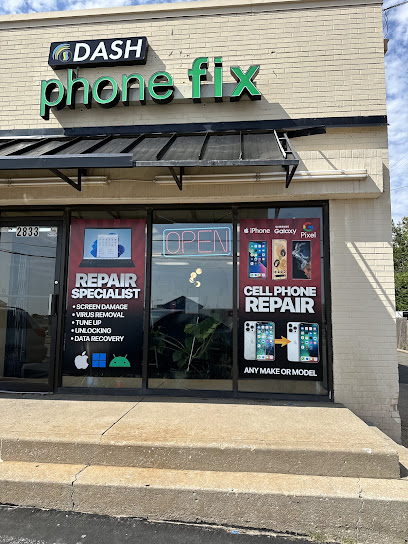
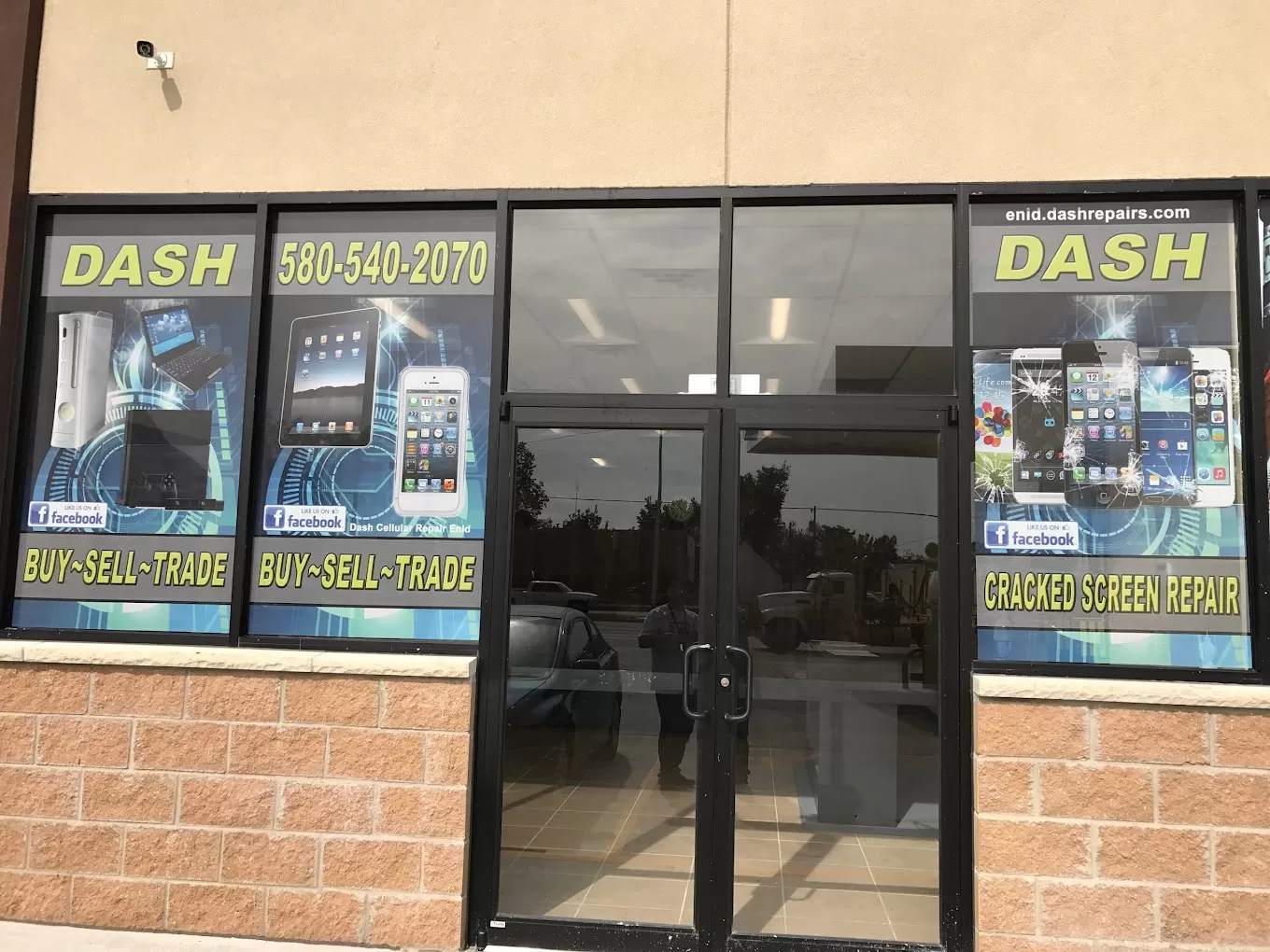
Cracked screens can quickly turn from a minor annoyance into a frustrating challenge that affects how you use your smartphone every day. Understanding causes like accidental drops, temperature changes, and pressure marks is essential for prevention but when damage does happen it is critical to get trusted repairs without delay. At Dash Repairs, we specialize in fast and affordable Cell Phone Repair services that help you avoid prolonged inconvenience and expensive replacement costs.

Don’t let a cracked screen compromise your device’s performance or your peace of mind. Discover expert solutions with warranties and quick turnaround times at Dash Repairs. Whether you need a simple screen fix or a more comprehensive repair, our team is ready to restore your device so you can stay connected. Take action now and protect your investment – visit our Uncategorized page to learn more or get started today.
Frequently Asked Questions
What are the main causes of cracked smartphone screens?
Cracked smartphone screens are primarily caused by accidental drops, pressure from sitting on devices in pockets, impact from collisions, and environmental factors like extreme temperature changes.
How can I prevent my smartphone screen from cracking?
To prevent cracking, use high-quality tempered glass screen protectors, invest in a shock-absorbing protective case, handle your device with care, avoid storing it with hard objects, and be mindful of extreme temperatures.
What types of screen damage should I be aware of?
Common types of screen damage include hairline cracks, spider web cracks, edge damage, pressure marks, and scratch patterns, each affecting the screen’s clarity and functionality.
How do environmental factors impact screen integrity?
Environmental factors like temperature fluctuations, mechanical stress from bending, and exposure to dust and humidity can weaken the screen’s structure, making it more susceptible to damage over time.
Recommended
- Why Do Screens Crack? Complete Guide for Device Owners | Dash Cellular Repair | Cell Phone, iPhone, Laptop Repair in Oklahoma
- Understanding What is a Cracked Screen and Its Implications | Dash Cellular Repair | Cell Phone, iPhone, Laptop Repair in Oklahoma
- Impact of Cracked Screens: Complete Guide for 2025 | Dash Cellular Repair | Cell Phone, iPhone, Laptop Repair in Oklahoma
- Why Cracked Screens Spread: Complete Guide | Dash Cellular Repair | Cell Phone, iPhone, Laptop Repair in Oklahoma
- Understanding Hairline Breakage: Causes and Solutions | MyHair