A cracked phone screen can feel like a disaster and more people go through this than you might think. Studies show that over 50 million phone screens are shattered each year in the US alone. Most assume a few cracks mean it is just a cosmetic issue, something you can shrug off for a while. But letting a damaged screen linger could actually put your phone—and your data—at serious risk without you even realizing it.
Table of Contents
- What Is A Phone Screen Replacement?
- Why Is Phone Screen Replacement Important?
- How Does The Phone Screen Replacement Process Work?
- Key Concepts In Phone Screen Replacement
- Choosing The Right Service For Screen Replacement
Quick Summary
| Takeaway | Explanation |
|---|---|
| Professional replacements restore functionality | A new screen ensures your phone operates correctly, covering both display and touch capabilities. |
| Ignoring damage worsens issues | Small cracks can lead to major failures, risking performance and increasing repair costs over time. |
| Select qualified repair services | Opt for technicians with certifications and experience for optimal device restoration and longevity. |
| High-quality parts are essential | Using manufacturer-grade or quality equivalent components helps maintain device performance and reliability. |
| Timeliness impacts resale value | Addressing screen damage promptly preserves your smartphone’s market value and prevents further decline in quality. |
What is a Phone Screen Replacement?
A phone screen replacement is a comprehensive repair process that involves removing a damaged or malfunctioning display panel and installing a brand new screen on a smartphone or mobile device. When your phone’s screen suffers from cracks, significant scratches, dead pixels, unresponsive touch zones, or complete display failure, a professional screen replacement becomes the most effective solution to restore full functionality.
Understanding Screen Damage Types
Screen damage can manifest in multiple ways, each requiring a specific approach to replacement.
To help you understand the different types of phone screen damage and their possible symptoms, the table below summarizes key damage categories and typical indicators.
| Damage Type | Description | Common Symptoms |
|---|---|---|
| Hairline Cracks | Thin surface cracks, often minor | Cosmetic only at first, may spread |
| Deep Fractures | Substantial cracks reaching inner layers | Risk of touch issues, possible display faults |
| Shattered Glass | Extensive breakage, glass fragments | Reduced visibility, high risk for injuries |
| Dead/Stuck Pixels | Non-functioning screen pixels | Black/colored dots, pixelation |
| Unresponsive Areas | Portions of the screen not responding to touch | Touchscreen fails to react in specific spots |
| Display Distortion | Incorrect colors, lines, or flickering | Impaired visual quality, ghosting |
| Complete Blackout | Display fails to show any image | No visuals, unusable screen |
Technical screen issues might include:
- Unresponsive touch areas
- Discoloration or display distortions
- Dead or stuck pixels
- Ghost touches or random screen inputs
- Complete display blackout
The Replacement Procedure
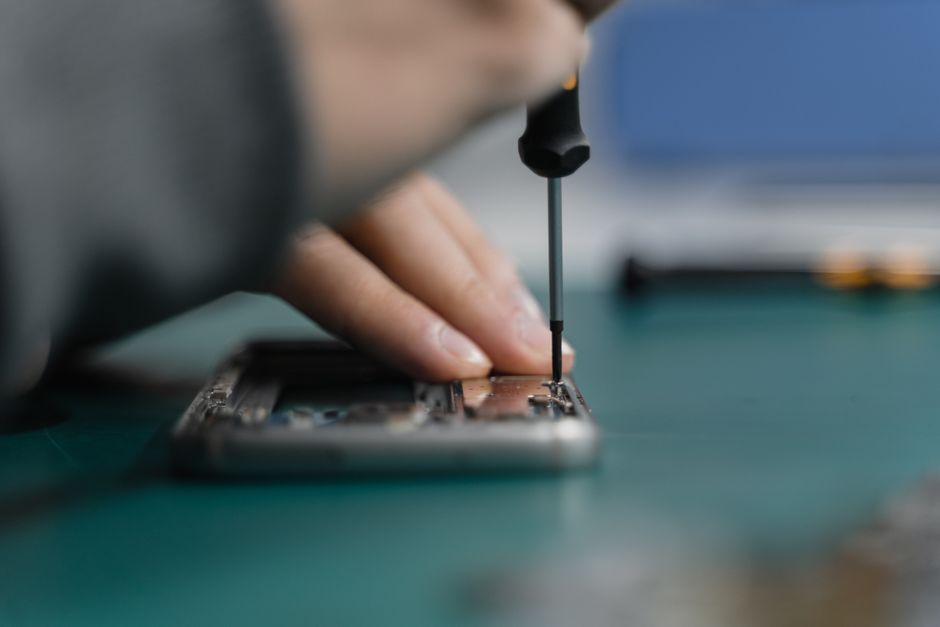
The phone screen replacement process involves carefully removing the existing damaged screen without causing additional harm to the device’s internal electronics. Skilled technicians use specialized tools to detach the broken screen, disconnect internal connectors, and prepare the device for a new display panel. Research from iFixit indicates that modern smartphones require precision and expertise during screen replacements due to their complex internal architectures.
Professional repair services ensure that not just the glass, but the entire display assembly including touch sensors, LCD or OLED panel, and associated connectors are replaced, guaranteeing optimal performance and device functionality.
By choosing a professional replacement, you restore your device’s visual quality, touch responsiveness, and overall usability.
Why is Phone Screen Replacement Important?
Phone screen replacement is crucial for maintaining the functionality, safety, and long-term value of your mobile device. A damaged screen can significantly impact your smartphone’s performance, user experience, and potential resale value. Explore the benefits of professional cell phone repair to understand why addressing screen damage quickly matters.
Protecting Device Functionality
A compromised screen can lead to multiple operational issues that extend far beyond aesthetic concerns. Unrepaired screen damage can progressively worsen, causing additional internal component failures. Research from Consumer Reports indicates that small cracks can rapidly spread, potentially rendering your entire device unusable. Unaddressed screen damage might result in:
- Complete touchscreen unresponsiveness
- Risk of internal electronic component exposure
- Increased vulnerability to moisture and dust infiltration
- Progressive deterioration of display quality
Financial and Practical Implications
Delaying screen replacement can be far more expensive in the long run. What might start as a minor crack can quickly escalate into a total screen failure, necessitating a more comprehensive and costly repair. Professional screen replacement not only restores your device’s functionality but also prevents potential data loss and extends the smartphone’s operational lifespan.
Moreover, a damaged screen significantly reduces your device’s market value. Smartphones with intact, high-quality screens command substantially higher resale prices compared to those with visible damage. By investing in timely screen replacement, you protect your initial device investment and maintain its potential future value.
How Does the Phone Screen Replacement Process Work?
The phone screen replacement process involves a sophisticated series of technical steps that require specialized knowledge, precision tools, and expert understanding of smartphone internal architectures. Learn about professional phone repair services to appreciate the complexity of this delicate procedure.
Diagnostic and Preparation Phase
Before initiating the screen replacement, technicians perform a comprehensive diagnostic assessment to determine the extent of damage and identify potential underlying issues. According to iFixit technical guidelines, this preliminary evaluation involves:
- Examining the full extent of screen damage
- Testing touchscreen responsiveness
- Checking internal component connectivity
- Verifying potential additional hardware complications
Precise diagnostic evaluation helps prevent unnecessary replacements and ensures that only the required components are addressed during the repair process. Skilled technicians use specialized diagnostic tools to evaluate the smartphone’s display system, ensuring an accurate assessment before proceeding.
Detailed Replacement Methodology
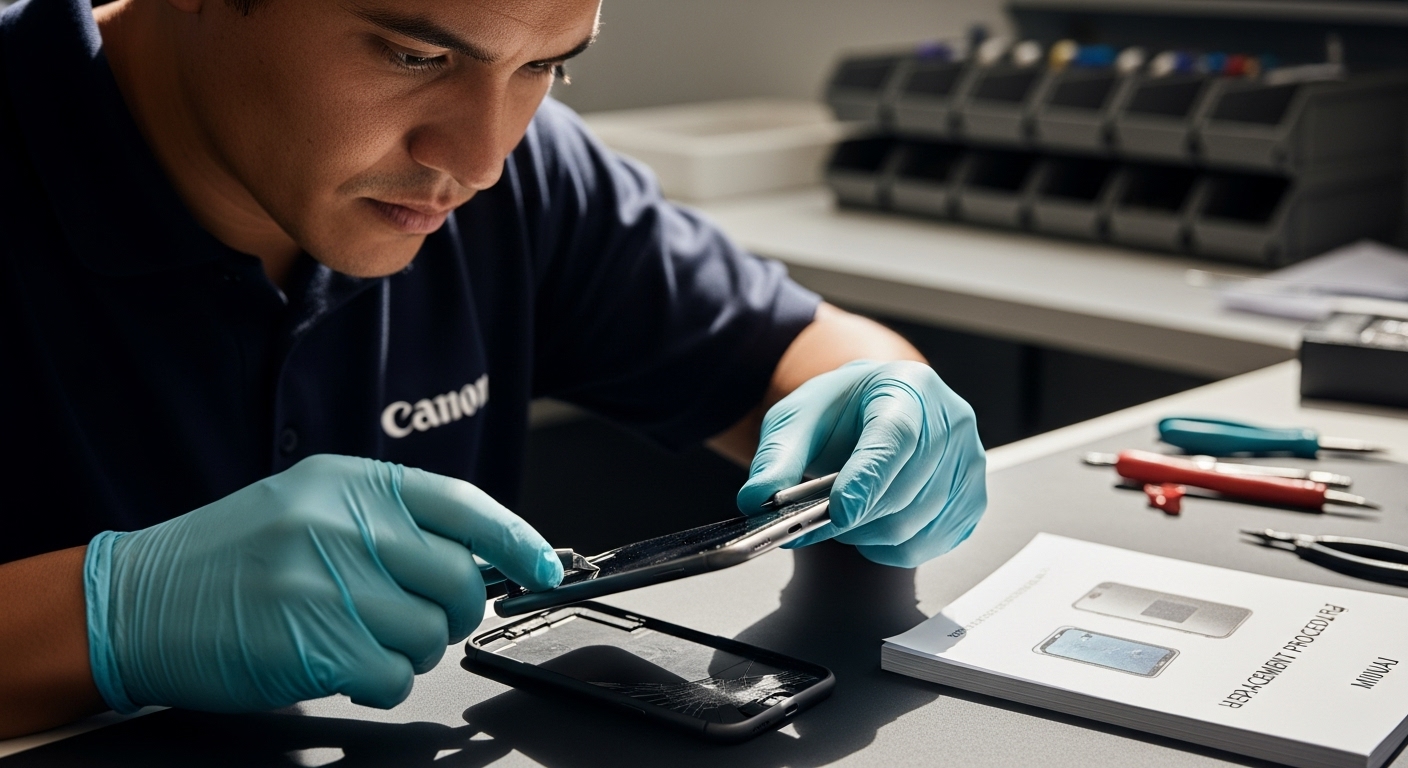
The actual screen replacement requires meticulous procedures. Technicians carefully disassemble the device, disconnecting delicate internal connectors and removing the damaged screen assembly. This process demands extreme precision to prevent additional damage to sensitive electronic components.
Modern smartphone designs feature intricate display assemblies that integrate multiple layers, including the glass panel, touch sensors, LCD or OLED display, and electronic connectors. Professional repair services ensure that each layer is correctly installed, maintaining the device’s original performance standards. The replacement process involves transferring critical components like flex cables, display drivers, and touch sensors to guarantee complete functionality.
Key Concepts in Phone Screen Replacement
Understanding the fundamental principles behind phone screen replacement helps consumers make informed decisions about device repair. Check out our latest repair insights to stay updated on evolving smartphone technologies.
Display Technology Fundamentals
Modern smartphone screens are complex multilayered assemblies that go beyond simple glass panels. Display technologies have dramatically evolved, with different screen types requiring unique replacement approaches. Research from DisplayMate Technologies highlights the intricate engineering behind contemporary smartphone displays.
Key display technologies include:
- LCD (Liquid Crystal Display)
- OLED (Organic Light Emitting Diode)
- AMOLED (Active Matrix Organic Light Emitting Diode)
- Retina Displays
- AMOLED Curved Screens
Each display technology presents unique challenges during screen replacement, demanding specialized knowledge and precise technical intervention.
The following table organizes and compares the different display technologies mentioned in the article, highlighting their unique features and potential implications for the screen replacement process.
| Display Technology | Key Features | Replacement Considerations |
|---|---|---|
| LCD | Uses liquid crystals, common in older phones | Generally less expensive to replace |
| OLED | Self-emitting pixels, brighter & more vibrant | Requires careful handling of thin components |
| AMOLED | Advanced OLED tech, flexible & energy-efficient | Replacement may involve additional layers |
| Retina Display | High pixel density, branded by Apple | Precise alignment necessary for best results |
| Curved AMOLED | Curved edges, immersive visual experience | More difficult and costly to replace |
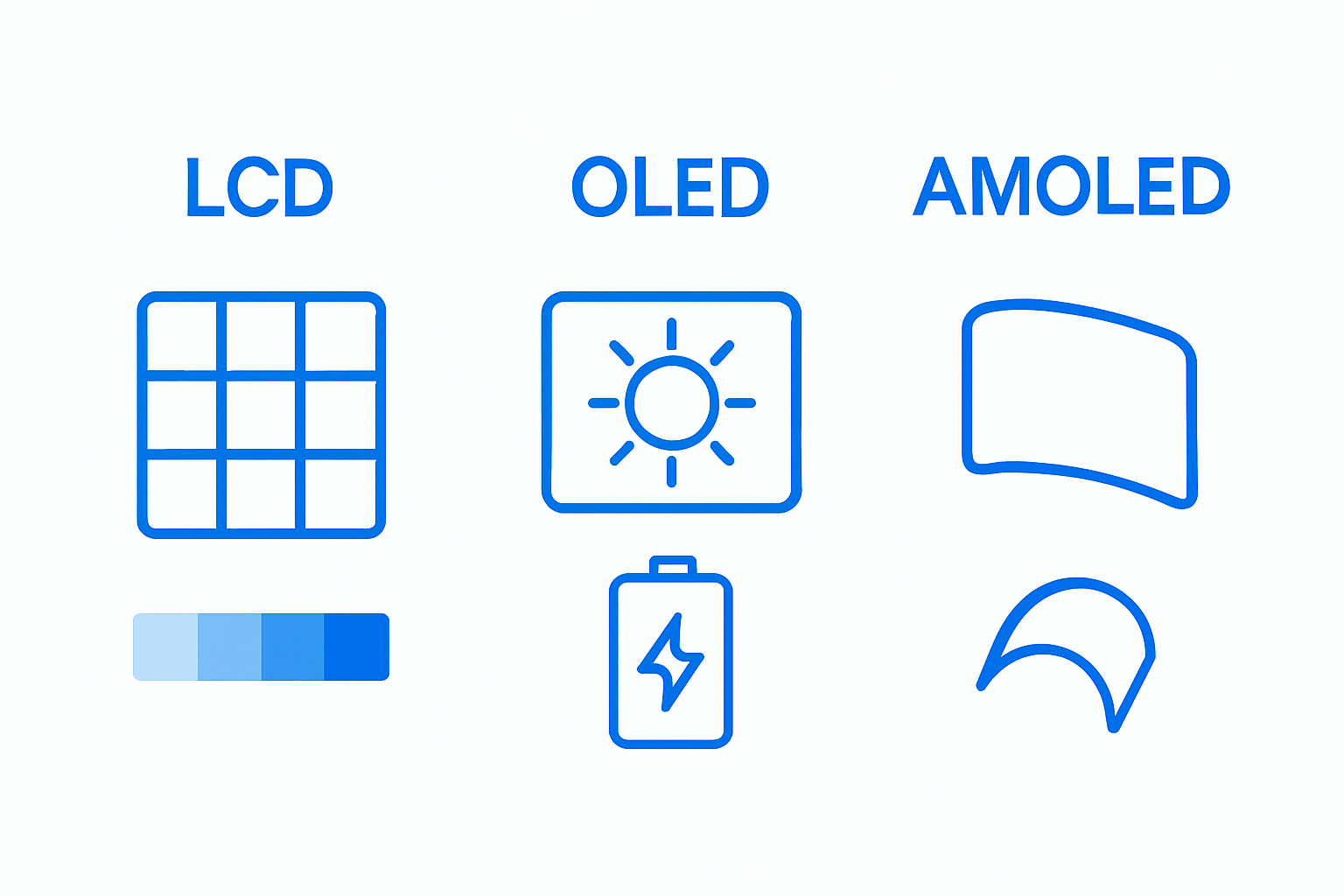 The complexity stems from integrated components like touch sensors, display drivers, and protective layers that must be perfectly synchronized for optimal performance.
Repair Complexity and Technological Considerations
Smartphone screen replacement is not a uniform process but a nuanced procedure adapting to specific device architectures. Modern smartphones incorporate advanced features such as embedded fingerprint sensors, pressure-sensitive touch layers, and intricate display bonding techniques that significantly increase repair complexity.
Professional technicians must navigate these technological intricacies, understanding how different manufacturers design their display assemblies. Factors like screen resolution, touch sensitivity, color calibration, and structural integrity play crucial roles in successful screen replacement. The goal extends beyond mere visual restoration to maintaining the device’s original performance characteristics and user experience.
Choosing the Right Service for Screen Replacement
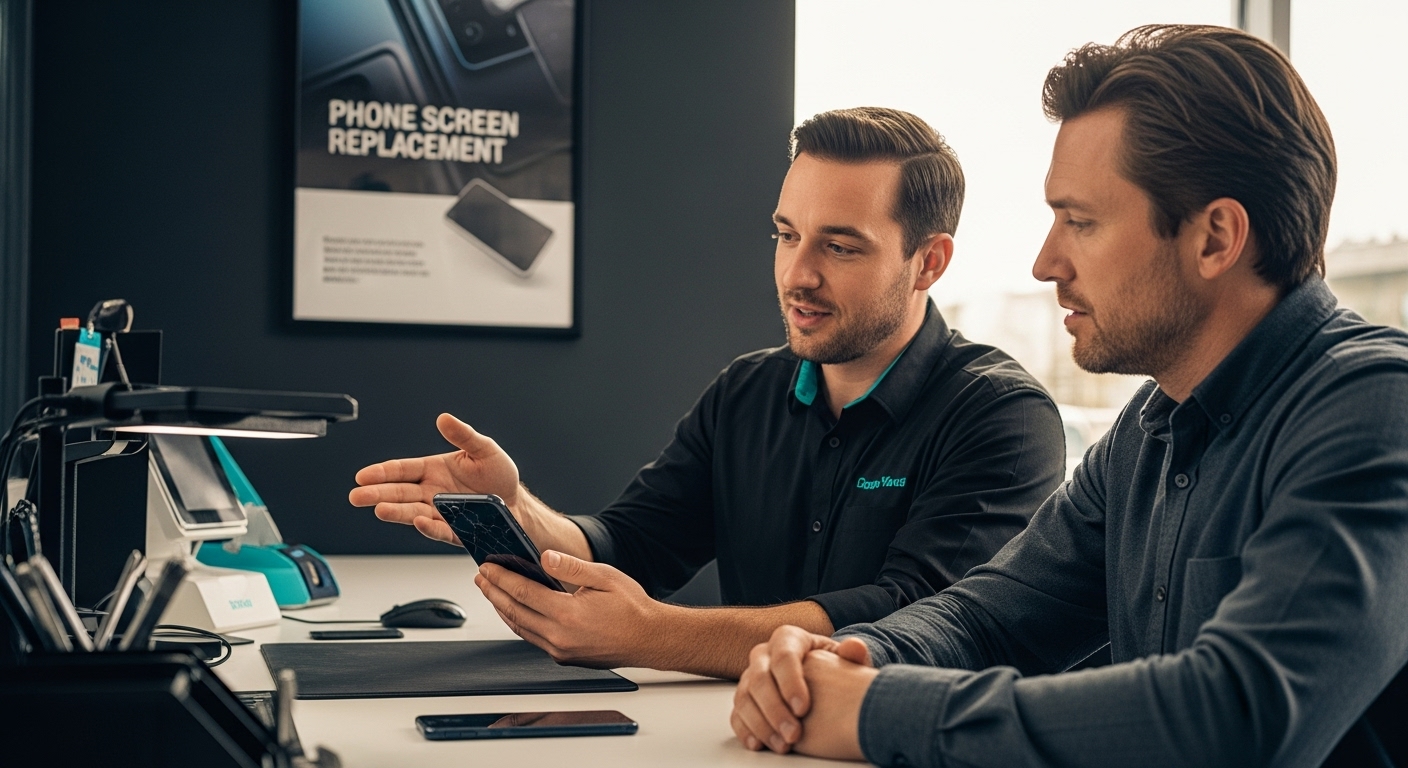
Selecting an appropriate service for phone screen replacement involves careful consideration of multiple factors that directly impact device performance and long-term reliability. Learn about our expert local iPhone repair solutions to understand what makes a professional repair service exceptional.
Evaluating Repair Expertise
Professional screen replacement requires more than basic technical skills. According to Consumer Electronics Repair Association research, technicians must possess comprehensive understanding of diverse smartphone architectures and display technologies. Consumers should assess repair services based on critical qualification indicators:
- Certifications in electronic device repair
- Specialized training in smartphone display technologies
- Experience with multiple device manufacturers
- Advanced diagnostic equipment availability
- Transparent repair process documentation
These qualifications distinguish professional repair services from amateur technicians who might compromise device functionality during screen replacement.
Quality and Warranty Considerations
The right screen replacement service offers more than just visual screen restoration. High-quality repair involves using manufacturer-grade or equivalent replacement components, ensuring complete compatibility with your specific device model. Professional services typically provide comprehensive warranties that cover both parts and labor, protecting your investment against potential future complications.
Key warranty aspects to examine include coverage duration, what specific issues are included, and the repair shop’s reputation for honoring their commitments. A reputable service will transparently discuss potential risks, expected outcomes, and provide clear documentation of the replacement process, giving you confidence in their technical expertise and commitment to quality device restoration.
Ready for a Smooth Phone Screen Replacement Experience?
Cracked or unresponsive phone screens can make your device frustrating and nearly impossible to use. The article highlighted how screen damage puts your digital life on hold, causes further technical issues, and reduces your phone’s value. At Dash Repairs, we understand how overwhelming it feels to lose access to your favorite features and connect with important contacts. Our professional team takes the complexity out of the replacement process using advanced diagnostic tools and precise techniques for all major brands. When your day depends on your phone, you need a proven solution you can trust.
Let us turn your knowledge into action. Visit our Cell Phone Repair category to see how we restore every screen with care and expertise. Our local specialists deliver fast, affordable service backed by warranty and real customer reviews. Ready to reclaim your device today? Get started at Dash Repairs and feel confident putting your phone in the hands of Oklahoma’s screen replacement experts.
Frequently Asked Questions
What does the phone screen replacement process involve?
The phone screen replacement process involves removing a damaged display panel and installing a new screen. Technicians assess the extent of damage, carefully disassemble the device, and replace all necessary components to ensure optimal performance.
How can I tell if my phone screen needs to be replaced?
Signs that your phone screen needs replacement include visible cracks, unresponsive touch areas, dead or stuck pixels, display distortions, or complete display failure. If you experience any of these issues, professional repair is recommended.
Why is it important to replace a damaged phone screen promptly?
Promptly replacing a damaged phone screen is crucial to prevent further operational issues, protect internal components from exposure, and maintain the device’s market value. Delaying repair can lead to more extensive damage and higher repair costs down the line.
What should I look for in a professional screen replacement service?
When selecting a professional screen replacement service, consider their expertise, certifications, experience with various device manufacturers, and the quality of replacement parts. Ensure they offer warranties for their work to protect your investment.
Recommended
- blog | Dash Cellular Repair | Cell Phone, iPhone, Laptop Repair in Oklahoma
- Uncategorized | Dash Cellular Repair | Cell Phone, iPhone, Laptop Repair in Oklahoma
- How Much Does It Cost to Fix an iPhone Screen Near Me? | Dash Cellular Repair | Cell Phone, iPhone, Laptop Repair in Oklahoma
- Phone Stopped Working? Here’s What You Should Do! | Dash Cellular Repair | Cell Phone, iPhone, Laptop Repair in Oklahoma