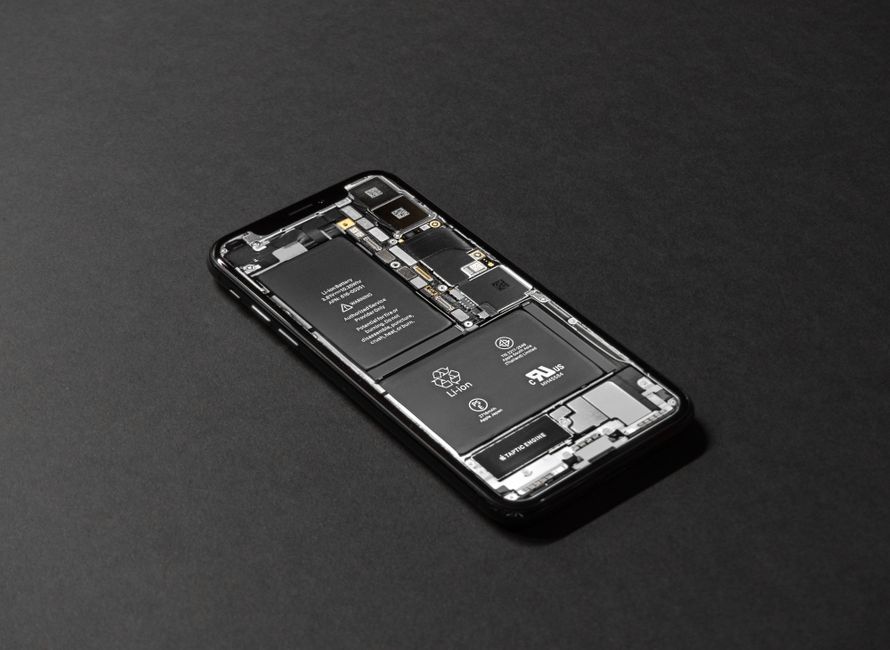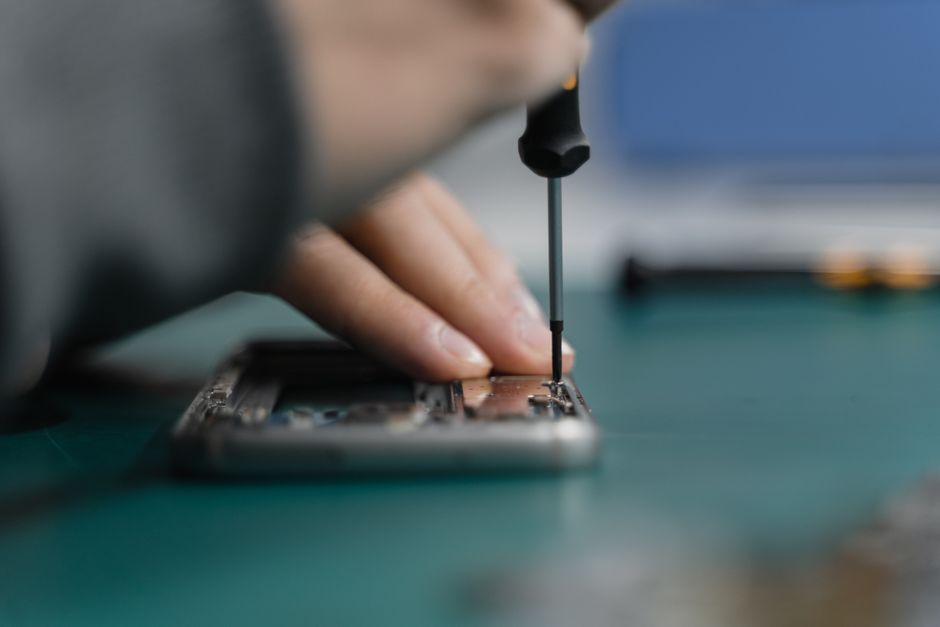
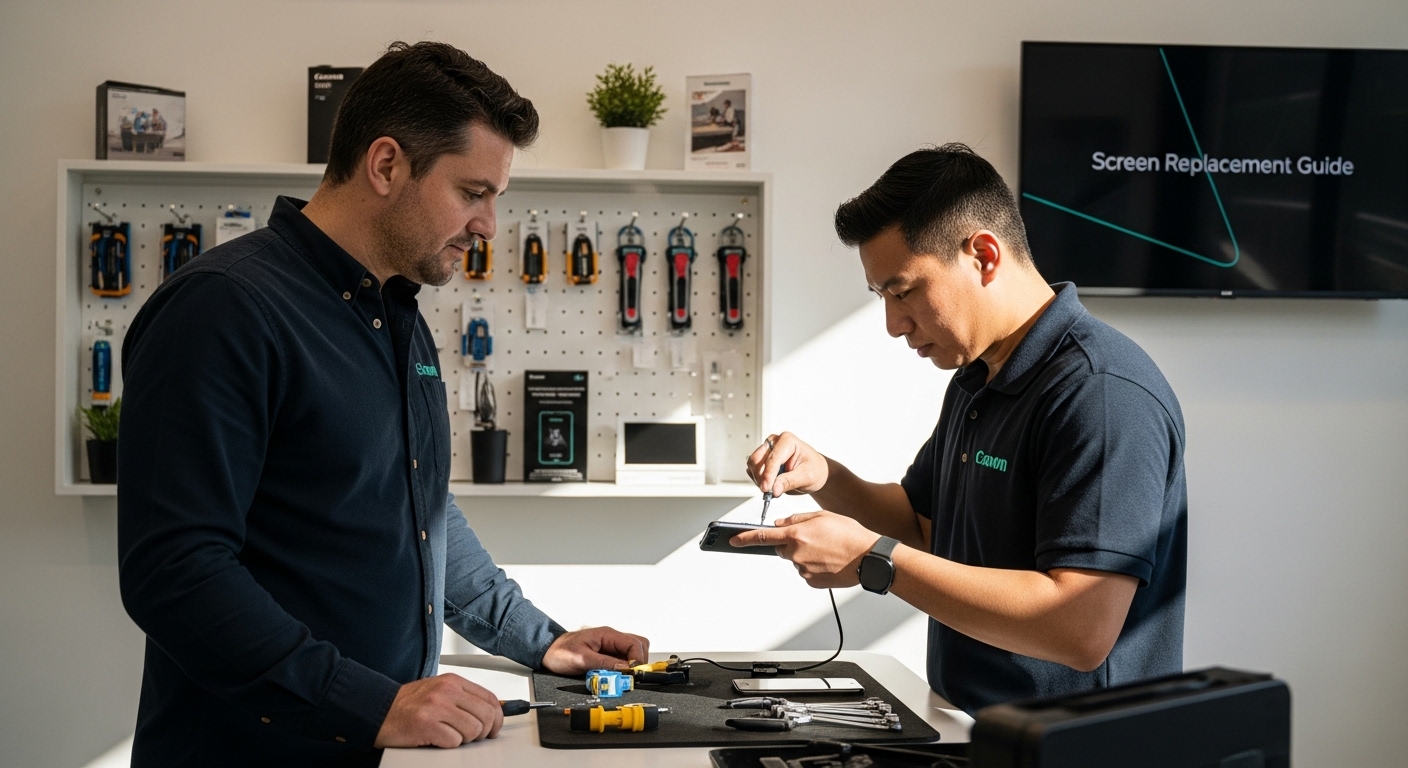
Screen replacements are more common than you might think and nearly every smartphone owner will face this repair at some point. Here is the wild part. Accidental drops cause more than half of all screen replacements worldwide. Most people expect this fix to be all about looks but in reality it is the key move that extends your device’s life and saves you from expensive replacements.
Table of Contents
- What Is A Screen Replacement And Why Is It Necessary?
- The Importance Of Screen Quality And Functionality
- How Screens Are Made And The Technology Behind Them
- Choosing The Right Replacement: Oem Vs Aftermarket Screens
- Understanding Device Repair Options And Services In Oklahoma City
Quick Summary
| Takeaway | Explanation |
|---|---|
| Screen replacements restore device functionality. | Replacing a damaged screen ensures users can continue using their electronic devices effectively and avoids productivity loss. |
| OEM screens guarantee compatibility and quality. | Original Equipment Manufacturer screens are designed to perfectly match device specifications, ensuring optimal performance and reliability. |
| Damaged screens can lead to internal issues. | Cracked or broken screens expose internal components to moisture and dust, potentially causing further damage if not addressed promptly. |
| Screen quality directly affects user experience. | High-quality screens enhance readability and interaction, significantly impacting productivity and comfort across various applications. |
| Consider reputation when choosing repair services. | Evaluating technicians’ expertise and service quality in Oklahoma City helps ensure effective repairs and long-lasting solutions for device issues. |
What is a Screen Replacement and Why is it Necessary?
A screen replacement involves removing a damaged or malfunctioning display panel from an electronic device and installing a new one. This process restores the device’s visual functionality and allows users to continue using their smartphones, tablets, or laptops without significant interruption.
Understanding Device Screen Damage
Screen damage can occur through multiple scenarios, ranging from minor scratches to complete fractures. Accidental drops, impacts, and pressure can cause immediate screen destruction, while daily wear and tear might gradually degrade screen quality. According to research by the EdWeek Research Center, screen replacements are critical for maintaining device usability.
Common types of screen damage include:
- Hairline cracks spreading across the display
- Complete shattering with multiple fragmentation points
- Touch sensitivity loss
- Dead pixel regions
- Color distortion or display discoloration
Why Screen Replacements Matter
Screen replacements are more than cosmetic repairs. They represent a crucial intervention that extends a device’s functional lifespan and prevents further internal damage. When screens remain cracked or damaged, they expose sensitive electronic components to potential moisture, dust, and additional stress.
The cost of a screen replacement is typically significantly lower than purchasing an entirely new device. Professional screen replacement services can restore your device’s functionality and appearance, often within a few hours. By choosing professional repair over device replacement, users can save money, reduce electronic waste, and maintain their existing technological investment.
Moreover, a properly replaced screen ensures continued device performance, preserving touch responsiveness, color accuracy, and overall visual quality. Whether you use your device for work, communication, entertainment, or educational purposes, a functional screen remains essential for uninterrupted digital interaction.
The Importance of Screen Quality and Functionality
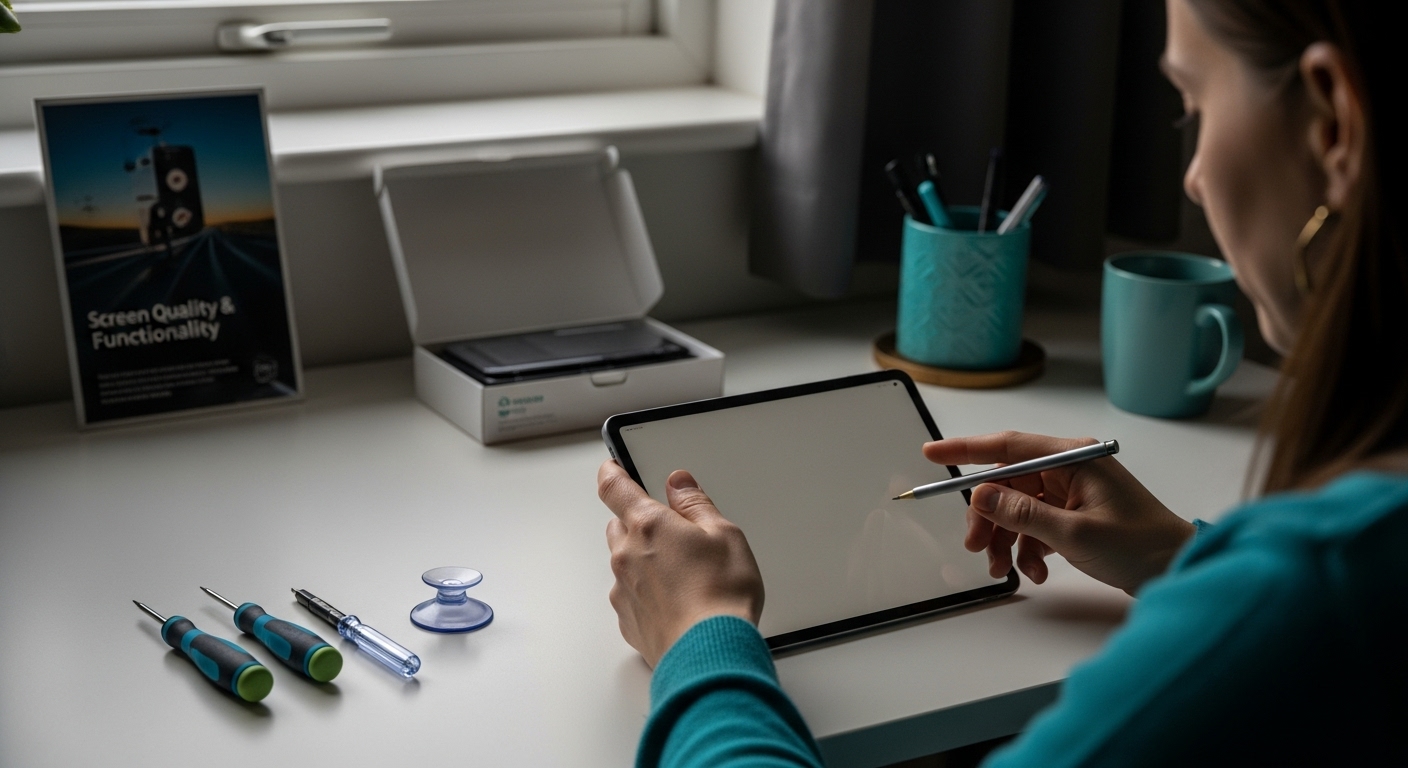
Screen quality and functionality represent critical aspects of electronic device performance that directly impact user experience, productivity, and overall device usability. A high-quality screen serves as the primary interface between users and their digital devices, making its condition paramount for effective communication and interaction.
Visual Performance and User Experience
A device’s screen is more than just a display surface. It is the primary gateway through which users consume visual information, interact with applications, and engage with digital content. Screen quality encompasses multiple technical parameters including resolution, color accuracy, brightness, and touch responsiveness. According to Occupational Safety and Health Administration guidelines, monitor quality significantly influences user comfort and visual performance.
Key visual performance indicators include:
- Pixel density and sharpness
- Color reproduction accuracy
- Refresh rate and smooth motion rendering
- Contrast ratio and dynamic range
- Viewing angle consistency
Impact on Device Functionality and User Productivity
Poor screen quality can dramatically reduce device functionality and user productivity. Damaged or low-quality screens create barriers to effective digital interaction, causing eye strain, reduced readability, and potential misinterpretation of visual information. Whether you are a professional working on detailed graphics, a student reading digital textbooks, or a casual user browsing social media, screen quality directly influences your overall digital experience.
Users depend on screens for:
- Professional work and presentations
- Educational content consumption
- Entertainment and media streaming
- Communication and video conferencing
- Navigation and location services
Maintaining screen quality through regular maintenance and timely replacements ensures optimal device performance. By prioritizing screen health, users can extend their device’s lifespan, maintain visual clarity, and prevent potential long-term damage that might result from neglected screen issues.
How Screens Are Made and the Technology Behind Them
Screens represent sophisticated technological marvels that combine advanced materials, precise engineering, and complex manufacturing processes to create visual displays that have become integral to modern digital experiences. From smartphones to laptops, screens are precision-engineered components designed to translate electronic signals into recognizable visual information.
Screen Manufacturing Fundamentals
Modern screens are complex layered structures composed of multiple intricate components working in precise synchronization. The manufacturing process involves depositing specialized materials onto glass or plastic substrates, creating sophisticated electronic interfaces capable of rendering complex visual information. According to the Library of Congress, touchscreens utilize complex electrical sensing mechanisms to detect and interpret user interactions.
Primary screen manufacturing components include:
- Glass or flexible polymer substrate
- Transparent conductive electrode layers
- Liquid crystal or organic light-emitting diode materials
- Color filter arrays
- Protective surface coatings
Screen Technology and Electronic Interactions
Screens operate through intricate electronic interactions that transform electrical signals into visible images. Different screen technologies employ unique mechanisms for generating visual output. Liquid crystal displays (LCDs) manipulate light-filtering molecules to create images, while organic light-emitting diode (OLED) screens generate light directly through individual pixel activation.
Screen technologies leverage sophisticated principles:
- Electrical charge manipulation
- Light polarization
- Molecular alignment
- Electron excitation
- Precise color reproduction
The manufacturing process requires extraordinary precision, with technological components integrated at microscopic scales. Advanced manufacturing techniques like photolithography and vapor deposition enable the creation of screens with increasingly complex capabilities, supporting higher resolutions, improved color accuracy, and enhanced touch responsiveness.
Choosing the Right Replacement: OEM vs Aftermarket Screens
When replacing a device screen, users face a critical decision between Original Equipment Manufacturer (OEM) screens and aftermarket alternatives. Understanding the differences, advantages, and potential drawbacks of each option is essential for making an informed choice that balances quality, cost, and device performance.
Understanding OEM and Aftermarket Screen Differences
OEM screens are manufactured by the original device manufacturer, ensuring direct compatibility, consistent quality, and precise design matching. These screens are produced using identical specifications and materials as the original device screen. According to research from the Australian Autoglass Industry Alliance, the quality of screen replacements depends significantly on manufacturing standards and installation practices.
Key characteristics of OEM screens include:
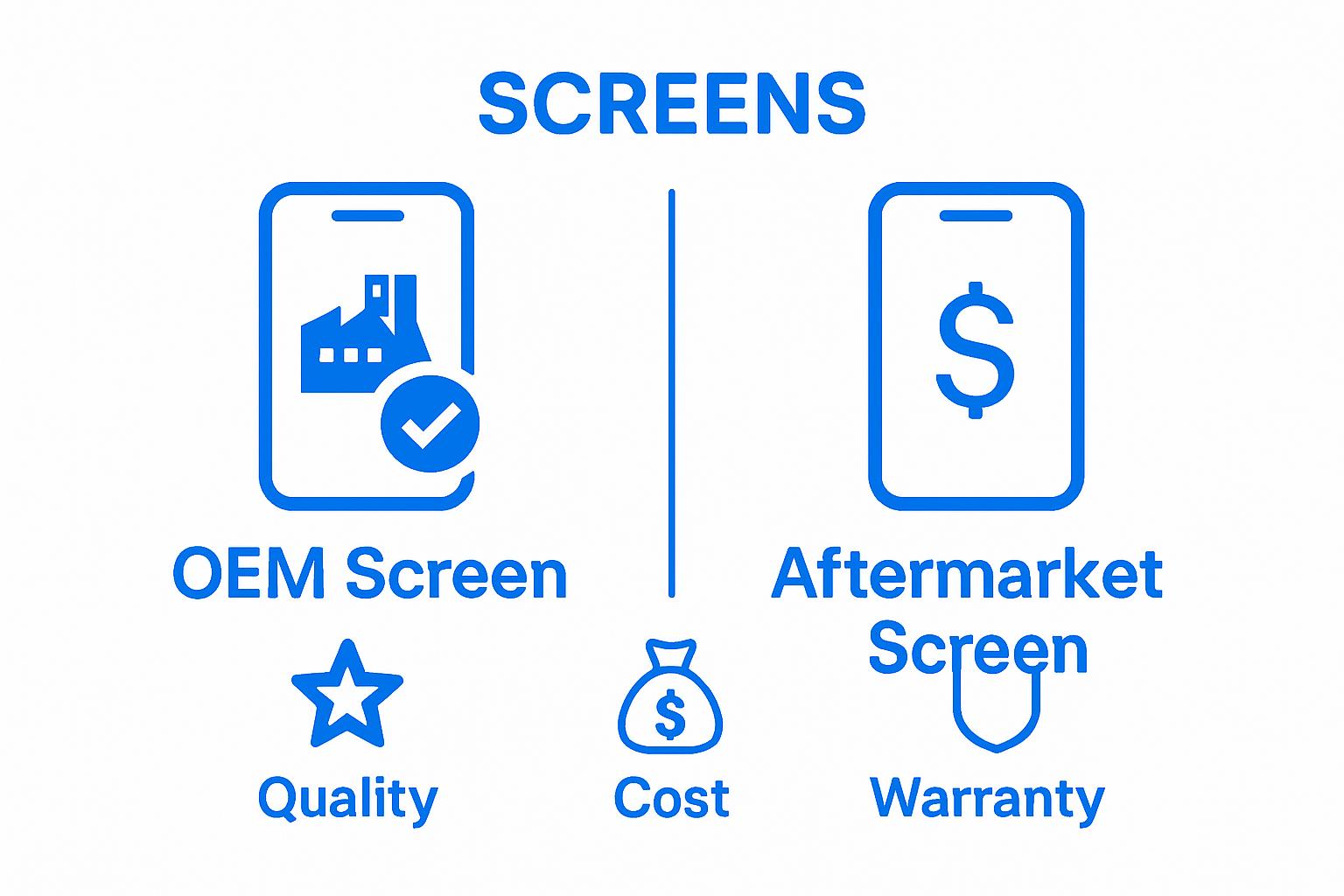
- Exact match to original device specifications
- Guaranteed compatibility with device hardware
- Consistent manufacturing quality
- Potential warranty preservation
- Direct manufacturer support
Evaluating Aftermarket Screen Alternatives
Aftermarket screens represent third-party manufactured replacements that may offer more affordable options but come with varying quality levels. These screens are produced by independent manufacturers who reverse-engineer device screen specifications. While they can provide cost-effective solutions, aftermarket screens might have slight variations in color accuracy, touch responsiveness, and overall build quality.
Considerations for aftermarket screen selection include:
- Significantly lower cost compared to OEM screens
- Potential variations in manufacturing quality
- Possible compatibility challenges
- Limited or no manufacturer warranty
- Variable performance across different brands
Careful research and selecting reputable aftermarket manufacturers can help mitigate potential risks associated with third-party screen replacements. Professional repair services often recommend weighing individual device requirements, budget constraints, and long-term performance expectations when choosing between OEM and aftermarket screen options.
To help you compare the essential features of OEM and aftermarket screens discussed in this article, the following table presents their core characteristics side by side.
| Feature | OEM Screens | Aftermarket Screens |
|---|---|---|
| Manufacturer | Original device manufacturer | Third-party companies |
| Compatibility | Guaranteed exact match | May vary; some compatibility issues possible |
| Quality Consistency | High and consistent | Variable; depends on brand and production |
| Warranty Support | Often preserved; includes manufacturer support | Limited or no warranty |
| Cost | Higher | Lower |
| Performance | Matches device specifications perfectly | Potential variations in color, touch, and durability |
| Warranty Impact | May retain full device warranty | Might void or limit device warranty |
Understanding Device Repair Options and Services in Oklahoma City
Oklahoma City offers a diverse range of electronic device repair services designed to address the complex technical challenges faced by smartphone, tablet, and laptop users. Navigating the local repair landscape requires understanding the available options, service quality, and potential cost implications for restoring device functionality.
Types of Repair Services Available
Local repair services in Oklahoma City encompass multiple specialized approaches to addressing device screen and technical issues. According to the Oklahoma Office of Management and Enterprise Services, professional repair services play a crucial role in maintaining technological infrastructure. Discover our comprehensive OKC repair solutions for a range of electronic devices.
Common repair service categories include:
- Individual device repair shops
- Manufacturer authorized service centers
- Electronics repair chains
- Independent technician networks
- University and institutional support services
Evaluating Repair Service Quality
Selecting the right repair service involves careful consideration of multiple factors beyond simple cost comparison. Consumers should prioritize technical expertise, warranty offerings, turnaround time, and reputation when choosing a device repair provider. Professional repair services in Oklahoma City typically offer diagnostic assessments that help identify specific device issues and recommend appropriate interventions.
Key considerations for selecting a repair service include:
- Technician certification and training
- Warranty and guarantee provisions
- Transparent pricing structures
- Proximity and convenience
- Specialized device expertise
By understanding the local repair ecosystem, Oklahoma City residents can make informed decisions about maintaining and restoring their electronic devices, balancing cost-effectiveness with high-quality technical support.
Below is a table summarizing the main types of repair services available in Oklahoma City, along with distinguishing details to help you identify the option that best fits your needs.
| Service Type | Description | Common Benefits |
|---|---|---|
| Individual Device Repair Shops | Locally owned stand-alone repair stores | Personalized service |
| Manufacturer Authorized Centers | Certified by device brands for in-warranty repairs | OEM parts, warranty honor |
| Electronics Repair Chains | National or regional repair shop franchises | Standardized procedures |
| Independent Technician Networks | Freelance or self-employed repair professionals | Flexible, often mobile |
| University/Institutional Services | On-campus or organizational tech support services | Convenient for students/staff |
Restore Your Screen. Reclaim Your Device.
Cracked screens, fading displays, and lost touch sensitivity can disrupt your daily routine and make every task more difficult. If the pain of a damaged device screen is affecting your work, communication, or peace of mind, you are not alone. The article highlighted how essential screen replacements are for protecting your investment and ensuring your device keeps serving you, stress-free. At Cell Phone Repair, we tackle these frustrations every day, guiding customers through reliable and affordable repairs.
Why wait to fix a problem that only gets worse with time? Whether it is a phone, tablet, or laptop, the local team at Dash Repairs is ready to help you see and swipe clearly again. For iPhone-specific solutions, explore the dedicated iPhone Repair Services and experience fast, professional care. Book your screen replacement today so you can get back to life without interruptions.
Frequently Asked Questions
What is a screen replacement?
A screen replacement involves removing a damaged or malfunctioning display panel from an electronic device and installing a new one. This process restores the device’s visual functionality and allows continued use without significant interruption.
Why is it important to replace a damaged screen?
Replacing a damaged screen is crucial for extending the device’s lifespan and preventing further internal damage. A cracked screen can expose sensitive components to moisture and dust, leading to potential malfunctions.
What are the differences between OEM and aftermarket screens?
OEM screens are manufactured by the original device manufacturer, ensuring direct compatibility and consistent quality, while aftermarket screens are produced by third-party manufacturers and may vary in quality and performance.
How can I maintain my device’s screen quality?
Maintaining screen quality involves regular care, such as cleaning, using protective cases or screen protectors, and addressing any damage promptly through professional repairs. This helps preserve visual clarity and extend the device’s functional lifespan.