

Handing your phone to someone else can feel like a small leap of faith. You want to know who will open the device, what they will find inside, how long it will take, and what it will cost. A local repair shop follows a fairly predictable sequence of steps, and knowing that sequence ahead of time makes the whole visit easier. Here is what typically happens from the moment you walk in to the moment you leave with a working phone.
Check-In: Describing the Problem and Getting an Estimate
The visit starts with a conversation. A technician will ask what the phone is doing, or not doing, and what happened right before the problem appeared. Vague descriptions such as "it's broken" slow things down. Specific ones help. Tell them the screen cracked after a drop, that the phone only charges when the cable is held at an angle, that the speaker sounds muffled on calls, or that the device shut off and will not power back on.
This is also the point where you should ask for a price estimate before anyone starts working. Free price estimates are a common offering among local mobile phone repair shops, so it is reasonable to ask what a repair will cost before you commit. If the shop cannot give you a number, that is useful information too.
Mention anything unusual that happened to the device, including drops, spills, heat exposure, or a case of the phone getting wet even if it seems to work now. Liquid damage can cause problems that show up weeks later, and technicians approach those repairs differently.
Inspection and Diagnostic Testing
Once the phone is in the shop's hands, it gets inspected in order to identify everything wrong with it. That inspection is broader than the single symptom you described. A technician checks the screen, buttons, ports, cameras, speakers, microphones, and housing for damage you may not have noticed.
Inspection is usually followed by diagnostic testing to identify the cause behind the issues being reported. The distinction matters. A phone that will not charge might have a damaged charging port, a failing battery, a software problem, or debris packed into the connector. The symptom looks identical from the outside. Diagnostics narrow it down so the shop is not replacing parts at random.
Understanding Your Repair Options Before You Agree
A good shop explains the repair in plain language and tells you what is being replaced and why. Ask questions if anything is unclear.
- What exactly is being replaced or repaired?
- What kind of replacement parts will be used?
- Does the repair come with a warranty, and what does that warranty cover?
- Are there other issues the inspection turned up that could wait?
- What happens if the repair does not solve the problem?
You are allowed to think it over. A repair shop that pushes you to approve work on the spot without explaining it is not giving you the full picture.

How Long a Local Phone Repair Usually Takes
Turnaround time is one of the biggest differences between a local shop and mailing your device away. Many common repairs, such as screen replacements and battery repairs, are completed the same day, often within 30 to 60 minutes depending on the device. Some repair teams report completing most repairs in 45 minutes or less, which reflects how routine these jobs have become for trained technicians.
| Repair or service type | Reported turnaround |
|---|---|
| Screen replacement | Same day, often 30 to 60 minutes |
| Battery replacement | Same day, often 30 to 60 minutes |
| Most repairs at a trained, certified shop | 45 minutes or less |
| Mail-in repair services | 3 to 5 business days for return shipment |
These figures come from published service information and describe typical cases rather than guarantees. Timing depends on the device and the nature of the repair. A shop may also need to order a part, which adds time. Ask for an honest estimate at check-in rather than assuming every job is a quick one.
What Actually Happens During the Repair
Behind the counter, the technician disconnects the battery before working on internal components. That step is one of the most basic principles of phone repair, because an energized board can be damaged or shorted during the process. From there, the work depends on the job.
Screen and battery replacements are the most common repairs and the most predictable. Charging port, camera, speaker, and microphone repairs involve more disassembly. Water damage calls for cleaning and diagnostics rather than a simple part swap. Some problems require board level work, which takes longer and is not something every shop offers.
Technicians at established repair businesses typically go through a training and certification process before working on customer devices. That background is worth asking about if you are handing over an expensive phone.
Your Data and Privacy: Questions Worth Asking
Repair practices around customer data vary, so this is a case where you should ask directly rather than assume. Before handing over the phone, find out whether the shop needs your passcode, whether it will test functions that require unlocking the device, and what its policy is on customer data.
It is also sensible to back up your phone before the visit. A backup takes a few minutes and protects you if the repair process resets something or if the device needs to be restored. If a repair shop cannot clearly explain how it handles customer data, consider that a reason to keep looking.

Testing Your Phone Before You Leave the Shop
When you pick the phone up, test it while you are still standing at the counter. Check the display for dead spots, touch response, cracks, and discoloration. Make a call. Play audio through the speaker. Plug in a charger. Try the camera, the buttons, and the microphone. If the repair involved the charging port, confirm the cable seats properly and charges without wiggling.
Ask what the warranty covers and how long it lasts. Some mail-in services advertise a one year warranty on parts and labor, but coverage varies widely between providers. A warranty is only useful if you understand what triggers it.
Walk-In Repair vs Mail-In Service
Local repair and mail-in repair solve the same problem in different ways. A local shop lets you explain the issue face to face, get an estimate in person, and often walk out with a fixed phone the same day. You keep possession of the device except for the repair window.
Mail-in service means packaging the phone, shipping it, waiting for diagnosis, approving the work remotely, and waiting for return shipping. The reported turnaround on the receiving end is measured in business days, not minutes. That model can work well for people who do not have a repair shop nearby, but it removes the same day convenience entirely.
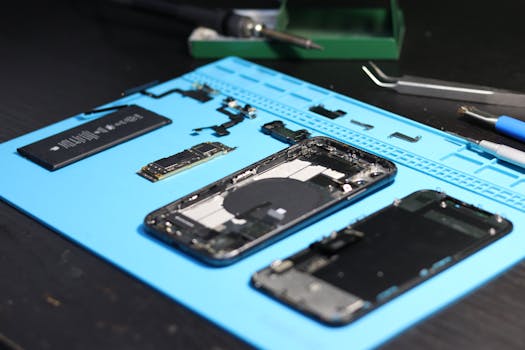
When DIY Repair Makes Sense and When It Does Not
Free step by step repair instructions, manuals, schematics, and community support are widely available for many phone models. If your goal is to learn how a device works or you have a spare phone to practice on, those resources are genuinely useful.
The risk shows up on a phone you depend on daily. Opening a modern device requires the right tools, patience, and a steady hand. Adhesives tear. Ribbons crease. Small connectors break easily. Any time a battery is involved, disconnecting it first is essential because an energized circuit can be shorted during the work. For a primary phone, the cost of a failed DIY attempt often exceeds the cost of having it done correctly the first time.
A Simple Checklist for Your Repair Visit
- Back up your phone before you leave home.
- Note the exact symptoms and when they started.
- Mention any drops, spills, or heat exposure.
- Ask for an estimate before authorizing work.
- Ask about the parts being used and the warranty terms.
- Ask how the shop handles your data and whether a passcode is needed.
- Test the phone thoroughly before leaving the counter.
Most visits follow this same rhythm: describe, inspect, diagnose, estimate, repair, test. Once you know the order of events, a repair appointment stops feeling like a black box and starts feeling like a normal errand. If you are in the Oklahoma City metro area, including Edmond or Del City, a local shop can walk you through each of these steps in person and tell you honestly whether your device is worth fixing.
Frequently Asked Questions
How long does a local phone repair usually take?
Many common repairs, including screen replacements and battery replacements, are completed the same day, often within 30 to 60 minutes depending on the device. Some repair teams report finishing most repairs in 45 minutes or less. Complex jobs, special order parts, or water damage diagnostics can take longer, so ask for a specific estimate when you drop the phone off.
What should I do to my phone before bringing it in?
Back up your data first, since that protects you if the repair requires a reset. Note the symptoms and when they started so you can describe them clearly. Mention any drops or liquid exposure, even if the phone seems fine now. Finally, ask the shop about its policy on passcodes and customer data before you hand the device over.
Will the technician need my passcode or access to my data?
That depends on the shop and the repair. Some jobs are purely hardware and can be done without unlocking the device, while others need testing on the screen. Data handling policies vary between businesses, so ask directly at check-in and get a clear answer before leaving your phone. If the answer is vague, consider another shop.
Should I try a DIY repair first?
Free repair guides, manuals, schematics, and community forums exist for many phone models, so DIY is a real option for practice devices or minor issues. On a phone you rely on daily, the risk is high. Adhesives tear, connectors break, and batteries must be disconnected first to avoid shorting the board during work.
What if the shop finds a second problem during the repair?
A thorough inspection often reveals issues beyond the one you reported, and a good shop will tell you before doing extra work. You should expect a call or an explanation at the counter with a revised estimate, and you can decline anything you do not want done. Ask upfront how the shop handles unexpected findings.