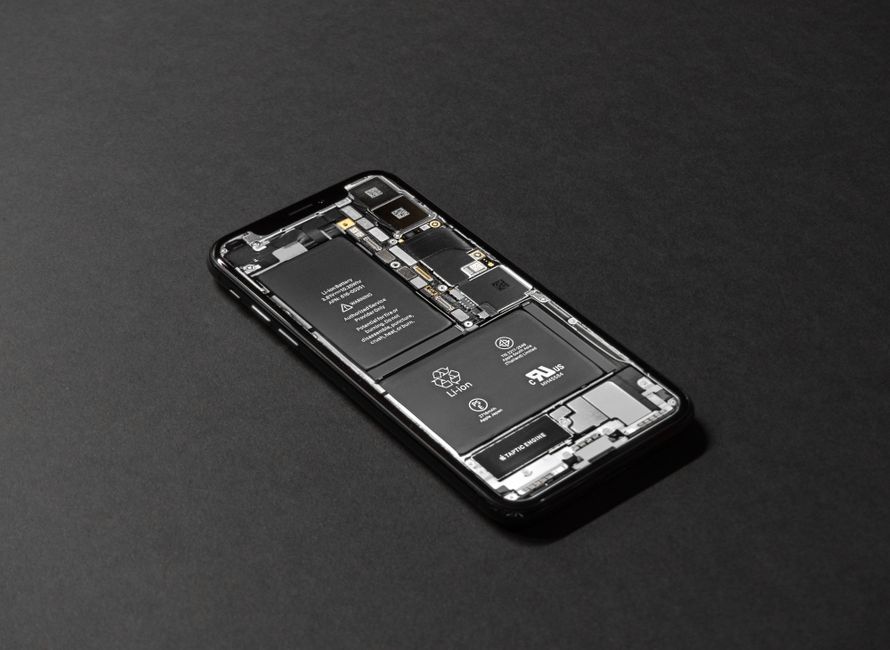
Smartphones have become lifelines for work and life, so keeping them in top shape matters. You might think you have seen it all until you realize that about 29% of users crack their screens in the first two years and that is only scratching the surface of common phone problems. Most people focus on shattered displays, but what often causes even more chaos is the sudden battery failure or a charging port gone bad which can leave you disconnected in seconds.
Table of Contents
- Screen Cracks: Quick Fixes And Replacement Options
- Battery Issues: Signs And Solutions For Replacement
- Charging Port Problems: Common Causes And Fixes
- Water Damage: How To Respond And Repair
- Software Glitches: Diagnosing And Troubleshooting
- Camera Malfunctions: Tips For Repair And Maintenance
- Speaker And Microphone Problems: Diagnosis And Solutions
Quick Summary
| Takeaway | Explanation |
|---|---|
| Promptly address screen cracks to prevent further damage | Delaying screen repairs can worsen functionality and aesthetics, affecting the phone’s overall performance. |
| Seek professional help for battery replacements | DIY battery installation can void warranties and risk further damage. Professional services ensure safe handling and performance integrity. |
| Avoid DIY fixes for charging port problems | Charging ports require specialized tools and knowledge for repairs, making professional intervention necessary to avoid additional damage. |
| Immediate action is crucial for water damage | Swift response after exposure limits corrosion and damage. Take quick steps like powering off the device to minimize long-term effects. |
| Professional diagnostics are essential for software glitches | Software issues require expert evaluation to pinpoint root causes, ensuring comprehensive solutions rather than temporary fixes. |
1: Screen Cracks: Quick Fixes and Replacement Options
Cracked screens are arguably the most common smartphone damage issue users encounter. Whether from an accidental drop, unexpected impact, or simple mishandling, screen damage can significantly compromise your device’s functionality and aesthetic appeal. Understanding why fixing cracked screens matters is crucial for maintaining your phone’s performance and value.
Screen damage ranges from minor surface scratches to extensive fractures that render touchscreen controls unusable. Smartphone users often face a critical decision: attempt a DIY repair or seek professional intervention. While temporary solutions like screen protectors or clear tape might seem appealing, they rarely address underlying structural damage.
Professional repair options typically involve two primary approaches:
-
Partial Screen Replacement: For minor cracks targeting specific screen regions
-
Full Screen Replacement: Comprehensive solution for extensive damage requiring complete screen swap
According to SquareTrade’s device damage report, approximately 29% of smartphone users experience screen damage within the first two years of ownership. This statistic underscores the importance of understanding repair strategies and preventative measures.
Key considerations when addressing screen cracks include:
- Assessing the extent of damage
- Determining repair cost versus device replacement
- Evaluating warranty and insurance coverage
- Choosing between authorized service centers and independent repair shops
While some users might consider online repair tutorials, professional technicians recommend against complex DIY screen replacements. Smartphone screens are intricate components requiring specialized tools, precise calibration, and technical expertise. Improper repairs can void warranties and potentially cause additional damage to internal components.
Ultimately, prompt attention to screen cracks prevents further deterioration and ensures optimal device performance. Professional repair services offer the most reliable solution, combining expert techniques with quality replacement parts.
2: Battery Issues: Signs and Solutions for Replacement
Most smartphone users encounter battery performance problems that can significantly impact device usability. Learn about different phone repair types to better understand comprehensive device maintenance. Battery degradation is a natural process, but recognizing early warning signs can help prevent unexpected device failure.
Signs of battery deterioration are often subtle yet progressively noticeable. Rapid battery drain, unexpected shutdowns, and significant temperature changes during charging indicate potential battery health issues. According to Battery University’s research, lithium-ion batteries typically lose 20% capacity after 500 charge cycles.
Key indicators of battery problems include:
- Smartphone powering off suddenly at moderate battery percentages
- Significant reduction in overall battery life
- Device becoming unusually warm during charging or usage
- Visible battery swelling or physical deformation
Battery replacement involves multiple considerations beyond simple component swapping. Professional technicians recommend evaluating:
- Original manufacturer warranty status
- Cost of replacement versus entire device upgrade
- Compatibility with specific smartphone models
- Potential data preservation during repair
Attempting DIY battery replacements can compromise device integrity and potentially void existing warranties. Lithium-ion batteries contain complex chemical compositions requiring specialized handling. Professional repair services ensure safe, efficient battery replacement with guaranteed performance.
Modern smartphones increasingly feature non-removable batteries, making professional intervention crucial. Authorized service centers utilize specialized tools and genuine replacement parts, minimizing risk and maintaining device functionality. Proactive battery maintenance can extend smartphone lifespan and prevent unexpected performance issues.
3: Charging Port Problems: Common Causes and Fixes
What is charging port repair and why it matters is crucial knowledge for smartphone users experiencing connectivity issues. Charging port problems represent a significant and frustrating technical challenge that can render devices essentially unusable.
Charging ports are delicate components susceptible to multiple forms of damage. Physical wear, debris accumulation, and manufacturing defects can compromise their functionality. The constant insertion and removal of charging cables create microscopic structural stress that gradually weakens internal connections.
According to iFixit’s device maintenance research, charging port issues account for approximately 18% of all smartphone repair requests. This statistic highlights the widespread nature of these technical complications.
Common charging port problems include:
- Loose or unstable cable connections
- Intermittent charging performance
- Complete inability to recognize charging cable
- Physical damage to port metal contacts
- Accumulated lint or debris preventing proper connection
Key diagnostic steps for identifying charging port issues involve:
- Testing multiple charging cables
- Checking cable and adapter compatibility
- Examining port for visible physical damage
- Verifying device recognizes power source
- Assessing charging speed and consistency
Professional repair services are recommended over DIY solutions. Smartphone charging ports contain intricate electrical components that require specialized tools and technical expertise. Attempting personal repairs can potentially cause additional damage, voiding device warranties and potentially creating more expensive problems.
Moisture exposure, aggressive cable insertion, and using low-quality charging accessories significantly accelerate port degradation. Preventative maintenance includes using manufacturer-approved cables, avoiding forceful connections, and keeping charging ports clean from dust and debris.
4: Water Damage: How to Respond and Repair
Water damage represents one of the most catastrophic and time-sensitive smartphone repair challenges. Understanding the nuanced approach to water damage repair can mean the difference between device salvage and complete replacement. Liquid exposure triggers rapid internal corrosion, potentially destroying sensitive electronic components within minutes.
According to Square Trade’s device damage research, approximately 35% of smartphone damage claims involve liquid-related incidents. These damages range from minor moisture exposure to complete device submersion.
Immediate response steps after water exposure include:
- Powering off the device instantly
- Removing battery (if removable)
- Wiping external surfaces with dry cloth
- Avoiding heat sources like hairdryers
- Preventing further liquid interaction
Crucial considerations for water damage assessment involve:
- Identifying type of liquid (water, saltwater, sugary drinks)
- Checking warranty coverage
- Evaluating extent of internal component damage
Professional intervention becomes critical within 48 hours of liquid exposure. Smartphone internal circuits are extremely vulnerable to corrosive residue and electrical shorts. Technicians utilize specialized diagnostic tools to:
- Conduct comprehensive moisture detection
- Perform deep cleaning of internal components
- Replace damaged circuit boards
- Restore device functionality
Home remedies like rice submersion are largely ineffective and can potentially cause additional damage. Modern smartphones contain intricate microprocessors that require precision technical expertise for successful water damage recovery.
Preventative measures are equally important. Investing in water-resistant cases, avoiding liquid-prone environments, and maintaining device integrity can significantly reduce potential water-related repair needs. Professional repair services offer the most reliable solution for comprehensive water damage assessment and restoration.
5: Software Glitches: Diagnosing and Troubleshooting
Software malfunctions can transform functional smartphones into frustrating devices, creating performance bottlenecks that compromise user experience. Exploring different types of phone repairs reveals the complexity of addressing software-related issues that extend beyond simple hardware fixes.
According to Pew Research Center’s digital device survey, approximately 64% of smartphone users experience significant software performance issues within their device’s first two years of usage. These challenges range from minor app crashes to complete system instability.
Common software glitch indicators include:
- Unexplained battery drain
- Frequent application freezing
- Slow system response times
- Random device restarts
- Unresponsive touchscreen controls
Key diagnostic strategies involve:
- Checking for pending system updates
- Identifying recently installed applications
- Monitoring background process performance
- Evaluating potential malware infections
- Assessing overall system resource utilization
Professional technicians approach software troubleshooting through systematic diagnostic processes. Unlike hardware repairs, software issues require nuanced understanding of operating system architecture, potential conflict points, and root cause analysis.
Most software problems stem from three primary sources: outdated system software, conflicting applications, or compromised system files. Factory resets represent a nuclear option that should only be considered after exhausting alternative troubleshooting methods.
Preventative measures are crucial in mitigating software complications. Regular system updates, careful application selection, and maintaining minimal background processes can significantly reduce potential glitch occurrences. Professional repair services offer comprehensive diagnostic tools that quickly identify and resolve complex software performance issues, ensuring optimal smartphone functionality.
6: Camera Malfunctions: Tips for Repair and Maintenance
Smartphone camera issues can transform photography experiences from stunning to frustrating. Explore key types of Android repairs to understand the complex landscape of device technical challenges.
According to Consumer Reports’ device reliability survey, approximately 22% of smartphone users encounter significant camera performance problems within two years of device purchase. These complications range from minor focusing issues to complete camera module failure.
Common camera malfunction indicators include:
- Blurry or consistently out-of-focus images
- Sudden black screen during camera activation
- Unresponsive camera application
- Distorted or pixelated image quality
- Camera freezing or crashing unexpectedly
Key diagnostic considerations involve:
- Checking for software update availability
- Verifying camera lens cleanliness
- Identifying potential physical damage
- Assessing background application interference
- Evaluating potential hardware component failure
Camera repairs demand precision and specialized technical expertise. Modern smartphone camera systems integrate complex optical and electronic components that require advanced diagnostic tools. Simple cleaning or software resets often prove insufficient for resolving deeper technical complications.
Physical damage represents a significant contributor to camera malfunctions. Microscopic lens scratches, internal moisture exposure, and structural impacts can compromise image capture capabilities. Professional technicians utilize specialized equipment to diagnose and repair intricate camera module issues.
Preventative maintenance strategies include protecting camera lenses with high-quality screen protectors, avoiding extreme environmental conditions, and performing regular software updates. Professional repair services offer comprehensive camera diagnostics that quickly identify and resolve performance challenges, ensuring optimal smartphone photography experiences.
7: Speaker and Microphone Problems: Diagnosis and Solutions
Audio components represent critical communication interfaces in modern smartphones, directly impacting user experience and device functionality. Explore practical device repair examples to understand the intricate nature of audio system maintenance.
According to Statista’s mobile device reliability research, approximately 17% of smartphone users experience significant speaker or microphone performance problems within their device’s first three years of usage.
Common audio component malfunction indicators include:
- Distorted or crackling sound during calls
- Intermittent microphone recognition
- Complete audio output failure
- Inconsistent volume levels
- Background noise during communication
Key diagnostic strategies involve:
- Checking system sound settings
- Testing audio across multiple applications
- Examining potential physical obstructions
- Verifying software compatibility
- Assessing potential hardware component damage
Professional technicians understand that audio issues stem from complex interactions between hardware and software systems. Microscopic debris, moisture exposure, and internal circuit degradation can compromise speaker and microphone performance without visible external damage.
Microphone and speaker repairs demand precision diagnostics. Unlike other smartphone components, audio systems require specialized calibration tools that measure electromagnetic signal transmission and acoustic performance. Simple cleaning or software resets frequently prove insufficient for resolving underlying technical complications.
Preventative maintenance strategies include protecting device openings from dust and moisture, avoiding extreme temperature variations, and performing regular software updates. Professional repair services offer comprehensive audio diagnostics that quickly identify and resolve performance challenges, ensuring optimal smartphone communication experiences.
Below is a comprehensive table summarizing the seven most common phone repairs discussed in the article, highlighting key issues, warning signs, best actions, and the importance of professional service.
| Phone Issue | Common Signs | Recommended Action | Why Professional Help Matters |
|---|---|---|---|
| Screen Cracks | Cracks, display malfunction, poor touch | Prompt professional repair | Prevents further damage, maintains functionality |
| Battery Issues | Rapid drain, shutdowns, overheating | Seek technician replacement | Safe handling, protects warranty, ensures quality |
| Charging Port Problems | Loose fit, no charge, debris, slow power | Avoid DIY, get pro repair | Specialized tools needed, reduces risk of harm |
| Water Damage | Device wet, won’t power on, corrosion | Power off, quick technician | Stops corrosion, protects sensitive components |
| Software Glitches | Freezes, crashes, slow response | Diagnostic by experts | Identifies root cause, avoids incomplete fixes |
| Camera Malfunctions | Blurry photos, app won’t open, focus | Pro inspection and repair | Intricate components require specialized knowledge |
| Speaker/Microphone Issues | Distorted sound, no audio, noise | Expert audio diagnostics | Needs precise tools for acoustic/electrical testing |
Take Control of Every Phone Problem Today
Are you tired of dealing with cracked screens, battery issues, slow charging, or unexpected software glitches that disrupt your daily routine? You are not alone. Many of the common phone problems described in this article can leave you feeling frustrated and helpless, especially when your device is an essential part of your work and personal life. At Dash Cellular Repair, we understand the urgent need for fast, professional repairs that get you reconnected without stress or hassle.
Why let a minor crack or persistent charging issue slow you down? Our experts at Dash Repairs offer reliable solutions for iPhones, Androids, tablets, and more, all with quick turnarounds and guaranteed work. Visit our Cell Phone Repair category to explore real solutions tailored to your device’s needs. Book your repair now and experience local service you can truly trust. Your phone deserves expert care today before any problem gets worse.
Frequently Asked Questions
What should I do if my phone screen is cracked?
It’s essential to assess the extent of the damage. For minor cracks, you might consider a partial screen replacement, but extensive damage often requires a full screen replacement. Professional repairs are recommended to avoid further damage.
How can I tell if my phone’s battery needs replacing?
Signs of a deteriorating battery include rapid battery drain, unexpected shutdowns, and overheating. If you notice these issues, it’s best to consult a professional for a thorough diagnosis and replacement if necessary.
What are common signs of charging port issues?
Common indicators of charging port problems include loose connections, intermittent charging, or the device failing to recognize a charging cable. If these symptoms appear, it’s advisable to seek professional help for a proper fix.
How should I respond if my phone has water damage?
Immediately power off the device and remove the battery if possible. Wipe the exterior with a dry cloth, and avoid using heat sources. Professional intervention is crucial within 48 hours to assess and repair any internal damage.
Recommended
- blog | Dash Cellular Repair | Cell Phone, iPhone, Laptop Repair in Oklahoma
- Phone Stopped Working? Here’s What You Should Do! | Dash Cellular Repair | Cell Phone, iPhone, Laptop Repair in Oklahoma
- 5 iPhone 7 Problems That You Can Not Deny
- 7 Types of Phone Repairs You Need to Know About | Dash Cellular Repair | Cell Phone, iPhone, Laptop Repair in Oklahoma
- 7 Common Mobile Phone Repairs You Can Do Yourself – buy2fix