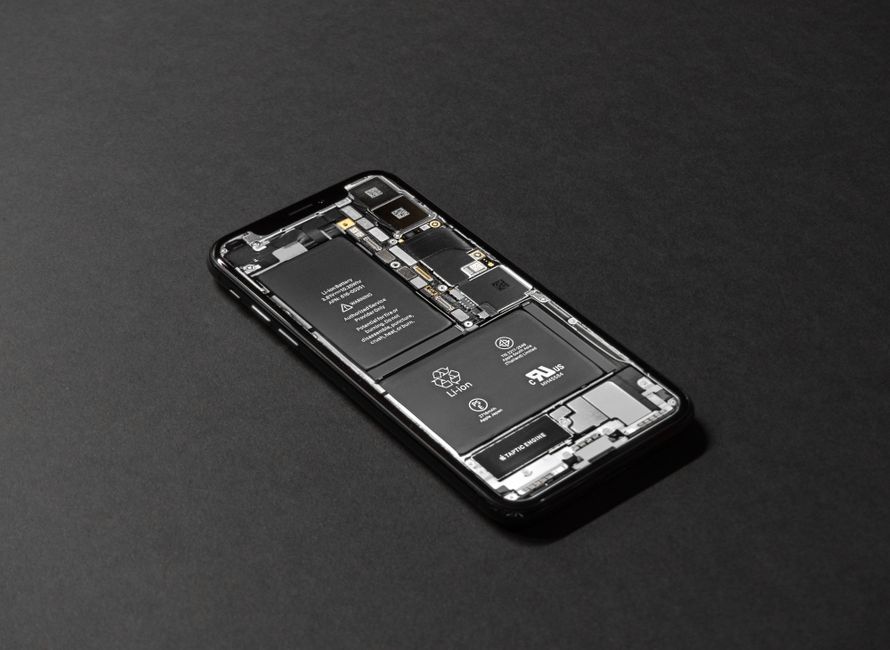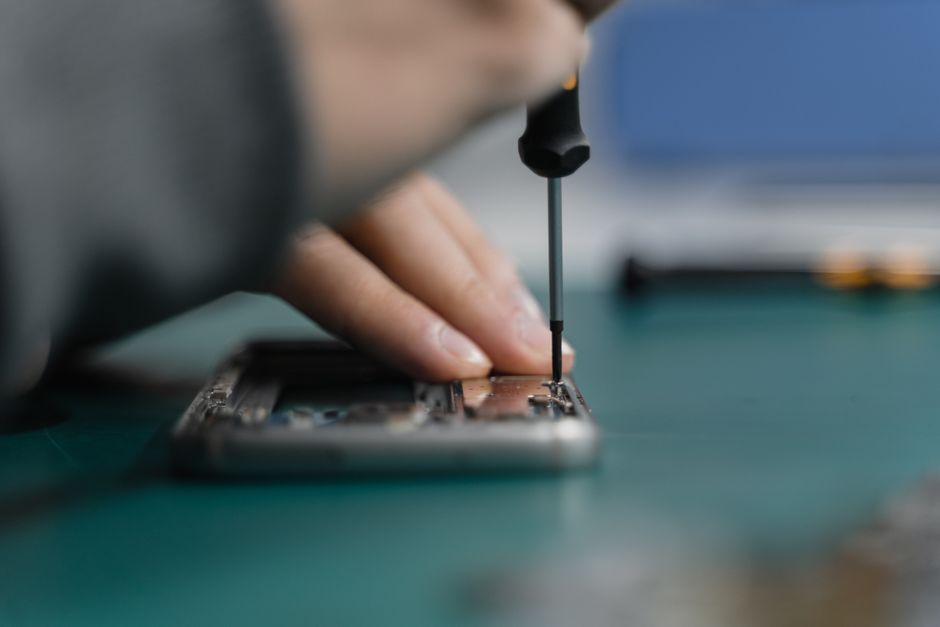
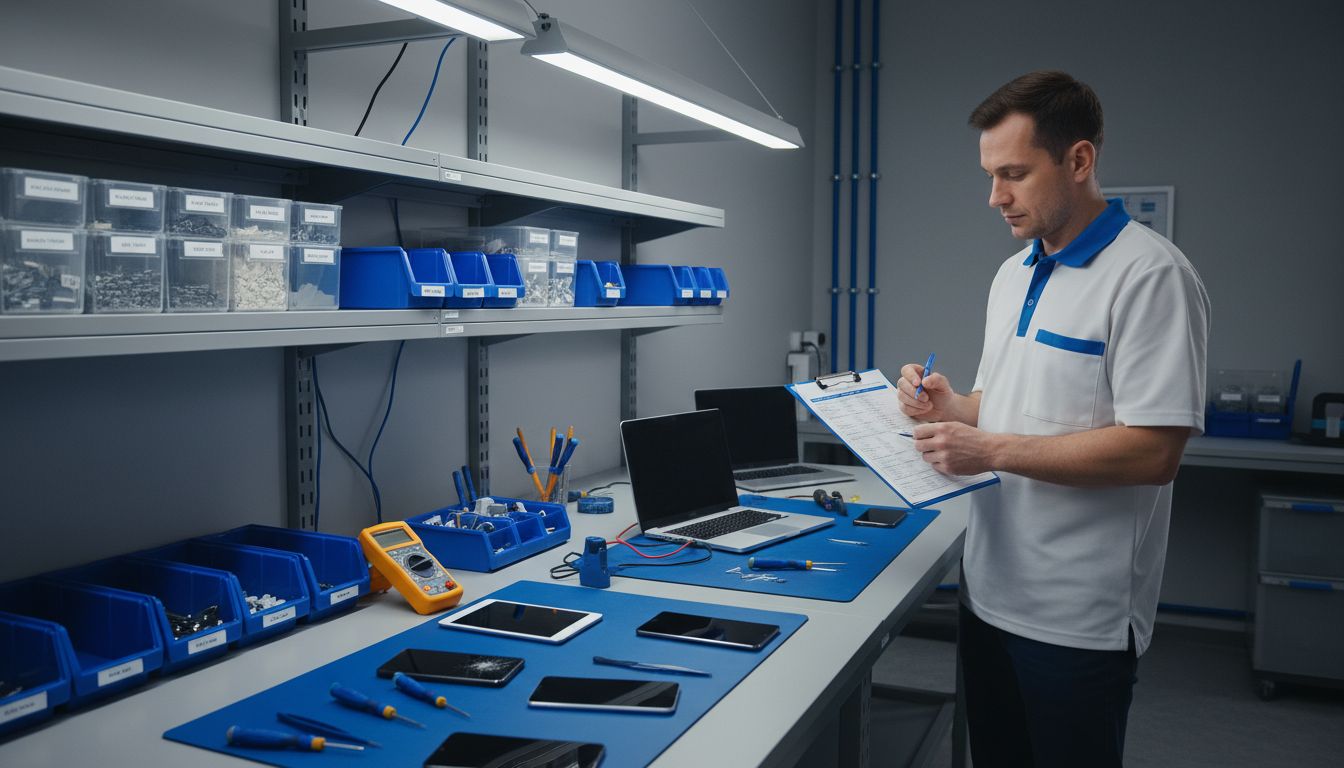
Over 60 percent of failed device repairs could have been prevented with a clear checklist. Whether you’re a seasoned technician or just starting out, even a small misstep can turn a simple fix into a costly setback. A reliable device repair checklist keeps repairs on track, reduces errors, and saves both time and money. This guide explores the essentials of building a structured workflow for every type of device, so you can work with accuracy and confidence.
Table of Contents
- Defining a Device Repair Checklist
- Essential Steps in Device Repair Process
- Checklist Variations for Phones, Tablets, Laptops
- Required Tools and Safety Precautions
- Common Mistakes and Cost Implications
Key Takeaways
| Point | Details |
|---|---|
| Comprehensive Checklists | A device repair checklist is essential for structured evaluation and repair, minimizing errors through detailed documentation and systematic procedures. |
| Device-Specific Strategies | Tailoring repair checklists for specific devices enhances repair accuracy and efficiency, addressing unique hardware and software characteristics. |
| Critical Tools and Safety | Utilizing the right tools and adhering to safety protocols are paramount to successful repairs, safeguarding both the technician and the device. |
| Avoiding Common Mistakes | Awareness of frequent repair errors and their cost implications can lead to more effective troubleshooting and decision-making in device repairs. |
Defining a Device Repair Checklist
A device repair checklist is a systematic approach to diagnosing, evaluating, and resolving electronic device issues with precision and efficiency. According to iFixit, a comprehensive repair checklist involves thorough evaluation across multiple dimensions, including troubleshooting techniques, visual inspection, and mechanical assessment.
The fundamental purpose of a device repair checklist is to create a structured methodology that minimizes guesswork and reduces potential errors during the repair process. Key components typically include:
- Detailed initial device assessment
- Identification of specific hardware or software problems
- Diagnostic testing procedures
- Required repair tools and equipment
- Step-by-step repair documentation
- Quality control verification
When developing a device repair checklist, professionals focus on creating a repeatable and reliable framework. iFixit’s Peer Review Checklist emphasizes the importance of correct formatting, proper grammar, and comprehensive documentation. This means each repair should be treated as a unique scenario while following a standardized approach that ensures consistent, high-quality outcomes.
Effective checklists serve multiple critical functions beyond simple repair tracking. They help technicians maintain clear communication, establish accountability, and create a documented history of device interventions.
By systematically breaking down complex repair processes into manageable steps, these checklists transform potentially overwhelming technical challenges into structured, achievable solutions.
Essential Steps in Device Repair Process
Device repair is a methodical process that requires careful systematic investigation and strategic problem solving. According to Wikipedia, troubleshooting fundamentally involves a systematic search for problem sources aimed at restoring device functionality through logical and methodical approaches.
Key steps in the device repair process typically include:
- Initial Device Assessment
- Visual inspection of external damage
- Identifying specific symptom manifestations
- Preliminary diagnostic evaluation
- Diagnostic Testing
- Running comprehensive diagnostic software
- Performing hardware functionality tests
- Isolating potential failure points
- Problem Identification
- Determining root cause of malfunction
- Categorizing issue as hardware or software related
- Developing targeted repair strategy
The University of Rochester emphasizes that professional repair processes aim to resolve device issues within 3-5 business days, focusing on systematic troubleshooting and data preservation. This means technicians must balance speed with thoroughness, ensuring each repair addresses underlying problems without creating additional complications.
Successful device repair requires not just technical skill, but a strategic approach that combines diagnostic expertise, systematic problem solving, and a deep understanding of electronic device mechanics. Learn more about our comprehensive device repair process to understand how professional technicians tackle complex repair challenges with precision and reliability.
Checklist Variations for Phones, Tablets, Laptops
Device repair checklists are not one-size-fits-all solutions. Each electronic device type requires a nuanced approach tailored to its unique hardware, software, and potential failure points. Device-specific variations become critical in ensuring accurate and efficient repair processes.
For mobile phones, the repair checklist typically focuses on:
- Screen integrity and touch responsiveness
- Battery health and charging port functionality
- Camera and speaker system diagnostics
- Signal reception and network connectivity
- Internal component moisture or damage assessment
Tablets present a slightly different repair landscape. Teachers Pay Teachers provides insights into device documentation that highlight the importance of systematic problem tracking. Tablet repair checklists often include:
- Display panel examination
- Touchscreen calibration tests
- Wireless connectivity verification
- Battery performance evaluation
- External port and connector inspections
Laptops demand the most comprehensive repair checklists due to their complex internal architectures. Critical checklist components for laptop repairs include:
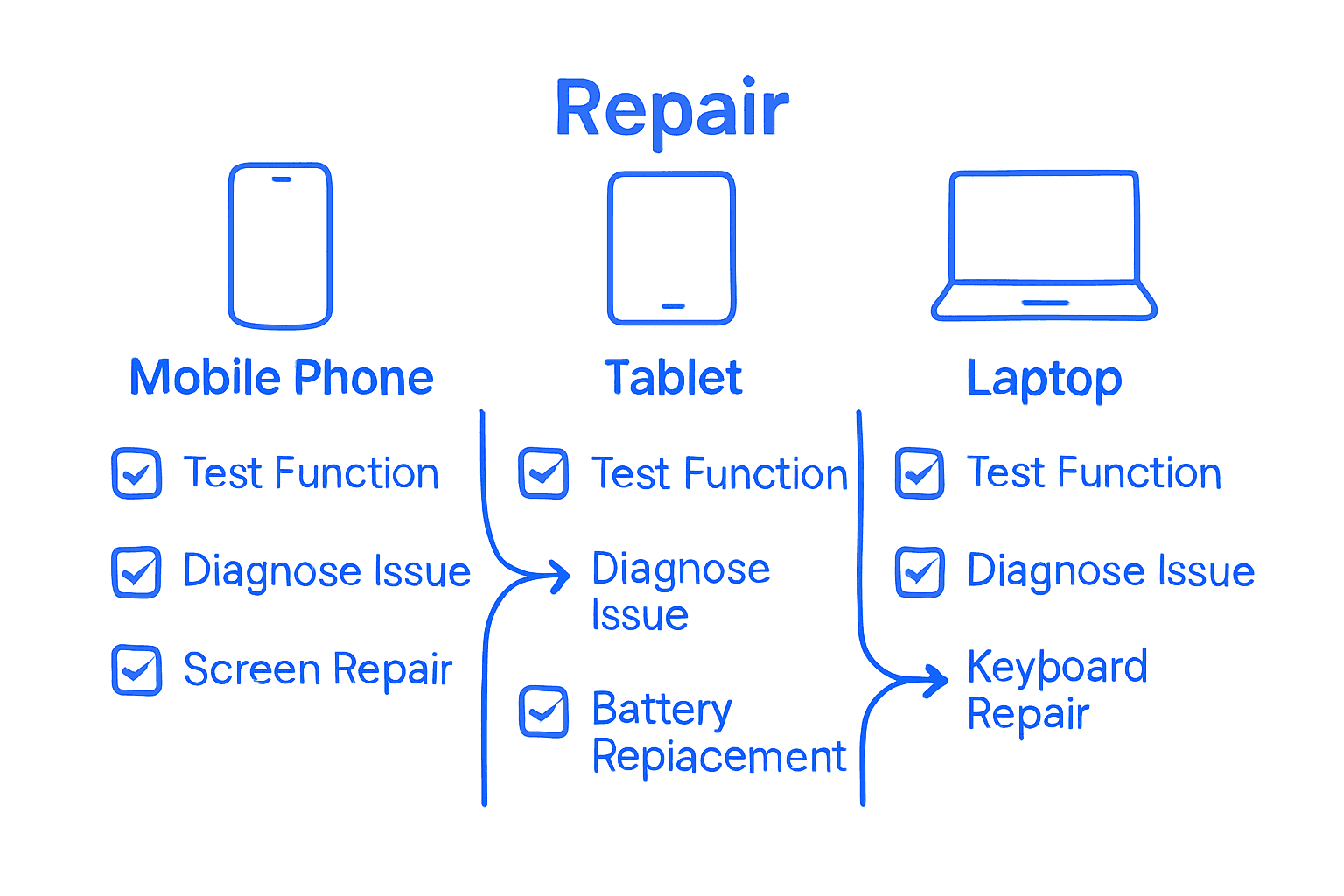
- Motherboard functionality assessment
- RAM and processor performance diagnostics
- Hard drive or SSD health monitoring
- Keyboard and trackpad responsiveness
- Thermal management system evaluation
- External port and connection integrity
Discover our comprehensive guide for device-specific repair techniques to understand how professional technicians adapt their approach for different electronic devices. Each device type requires a unique strategy, combining technical expertise with systematic troubleshooting methods.
Required Tools and Safety Precautions
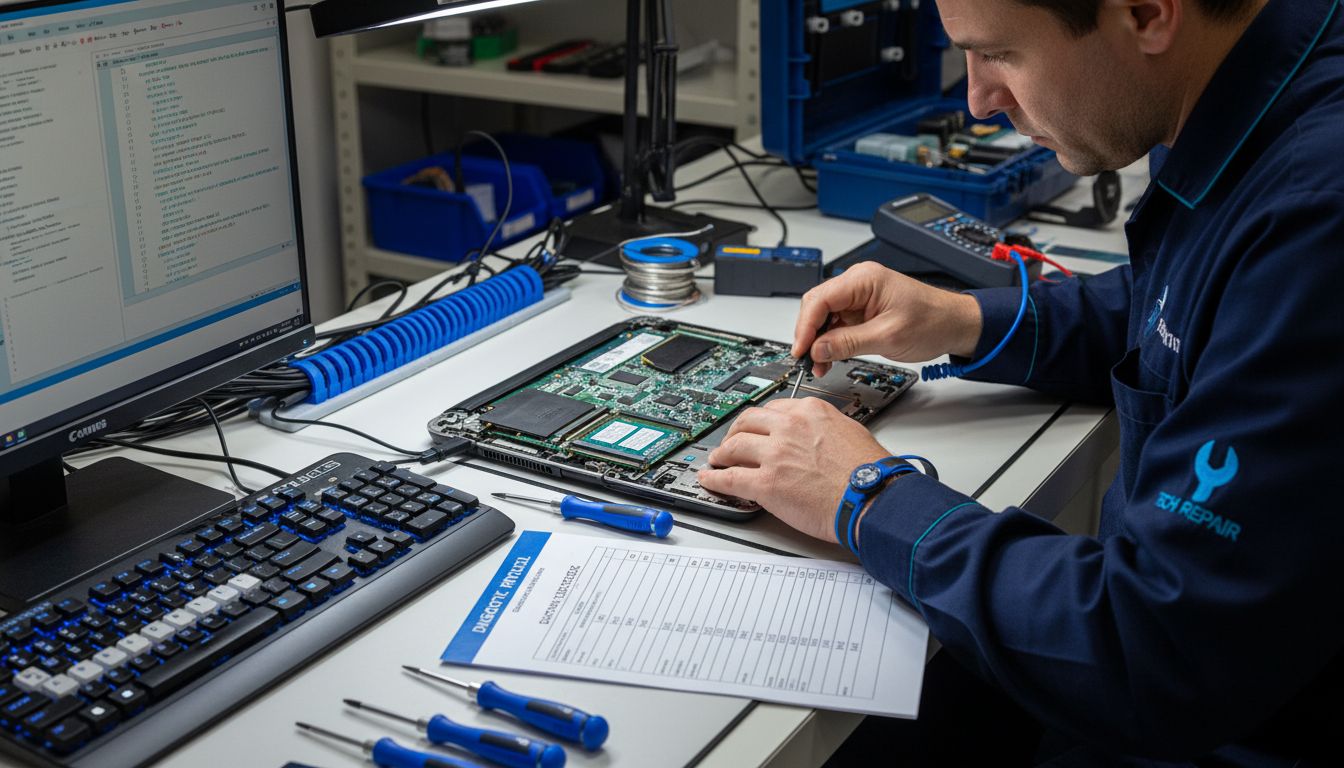
Device repair requires a carefully curated set of tools and a rigorous approach to safety. According to Wikipedia, electronic repair involves complex processes that demand specialized tools and meticulous expertise, with safety being paramount during component manipulation.
Essential Tools for Device Repair:
- Precision screwdriver set
- Anti-static wrist strap
- Multimeter
- Soldering iron
- Tweezers
- Magnifying glass
- Heat gun
- Specialized prying tools
Safety precautions are critical in electronic device repair. Wikipedia’s PCB Reverse Engineering article emphasizes the importance of understanding potential risks when handling electronic components. Key safety considerations include:
- Working in a well-ventilated area
- Using protective eyewear
- Wearing anti-static clothing
- Disconnecting power sources
- Avoiding moisture near electronic components
- Properly grounding yourself to prevent electrostatic discharge
Professional technicians understand that proper tool selection and safety protocols are as important as technical skills. Improper handling can cause additional damage to delicate electronic components, potentially rendering expensive devices irreparable. Investing time in understanding and implementing these safety measures protects both the device and the technician.
Learn more about our professional repair techniques to see how expert technicians combine precision tools with comprehensive safety protocols.
Common Mistakes and Cost Implications
Device repair involves navigating a complex landscape of potential errors that can significantly impact both repair outcomes and financial investments. iFixit highlights that many repair attempts fail due to fundamental mistakes made by inexperienced technicians, which can dramatically increase overall repair costs.
Most Common Repair Mistakes:
- Skipping preliminary diagnostic steps
- Using incorrect or low-quality replacement parts
- Failing to properly ground equipment
- Attempting repairs without proper documentation
- Overlooking underlying systemic issues
- Rushing through delicate repair procedures
Cost implications are profound and multifaceted. Wikipedia’s Level of Repair Analysis suggests that determining whether to repair or replace a device requires careful consideration of multiple financial factors. Poorly executed repairs can transform a minor issue into an expensive problem, potentially exceeding the device’s original value.
Professional technicians understand that cost-effective repairs depend on precise diagnostics, skillful execution, and strategic decision-making. The difference between a $50 repair and a $500 replacement often comes down to understanding nuanced technical challenges and approaching each device with methodical expertise.
Explore our comprehensive repair approach to see how professional intervention can minimize mistakes and optimize repair outcomes.
Take Control of Your Device Repairs with Confidence
Struggling with device issues and unsure how to strategically approach repairs can be frustrating. This article highlights the importance of using a device repair checklist to systematically diagnose and resolve problems without costly mistakes. At Dash Repairs, we understand how crucial it is to combine expert diagnostics with reliable repair steps to bring your phone, tablet, or laptop back to life fast and affordably.

Don’t let unclear repair processes add stress or expense. Explore our specialized Cell Phone Repair services where precision and speed meet affordability. Whether it’s a cracked iPhone screen or a battery replacement, our experienced technicians follow thorough checklists and safety protocols to ensure your device works like new. Visit Dash Repairs today and get your device repaired right the first time. Act now for professional repairs you can trust and quick turnaround times.
Frequently Asked Questions
What is a device repair checklist?
A device repair checklist is a systematic approach used to diagnose, evaluate, and resolve electronic device issues efficiently. It includes steps like initial assessments, diagnostics, repair documentation, and quality control verification.
What are the essential steps in the device repair process?
The essential steps typically include initial device assessment, diagnostic testing, problem identification, and developing a targeted repair strategy. These steps help technicians systematically restore device functionality.
How do repair checklists vary for different devices?
Repair checklists vary by device type, such as mobile phones, tablets, and laptops. Each type has specific focus areas, such as screen integrity for phones, display panel examination for tablets, and motherboard assessments for laptops.
What tools are required for device repair, and what safety precautions should be taken?
Essential tools include precision screwdrivers, multimeters, and soldering irons. Important safety precautions involve working in well-ventilated areas, wearing protective eyewear, using anti-static clothing, and properly grounding yourself to prevent electrostatic discharge.
Recommended
- Step by Step iPhone Repair Guide for Local Users | Dash Cellular Repair | Cell Phone, iPhone, Laptop Repair in Oklahoma
- DIY Mobile Repair Steps for Fast, Reliable Results | Dash Cellular Repair | Cell Phone, iPhone, Laptop Repair in Oklahoma
- Mobile Phone Repair Terminology: Complete Guide | Dash Cellular Repair | Cell Phone, iPhone, Laptop Repair in Oklahoma
- Step by Step iPhone Screen Repair Guide for 2025 Success | Dash Cellular Repair | Cell Phone, iPhone, Laptop Repair in Oklahoma
- Akkus reparieren Guide: So bringen Sie Ihre Akkus zurück ins Leben – accu.blog
- Was ist Akku-Reparatur? Vollständiger Leitfaden 2025 – accu.blog